NVIDIAModel
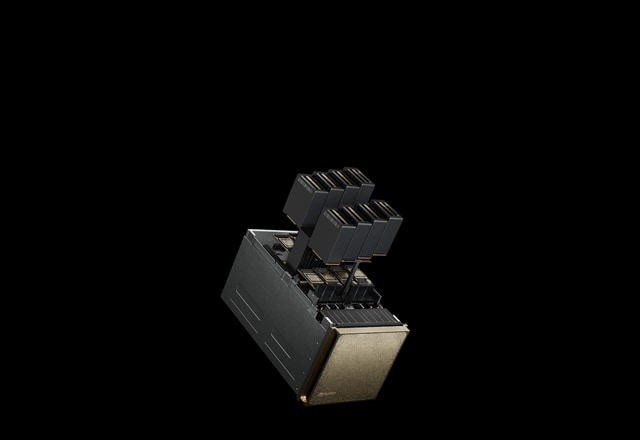
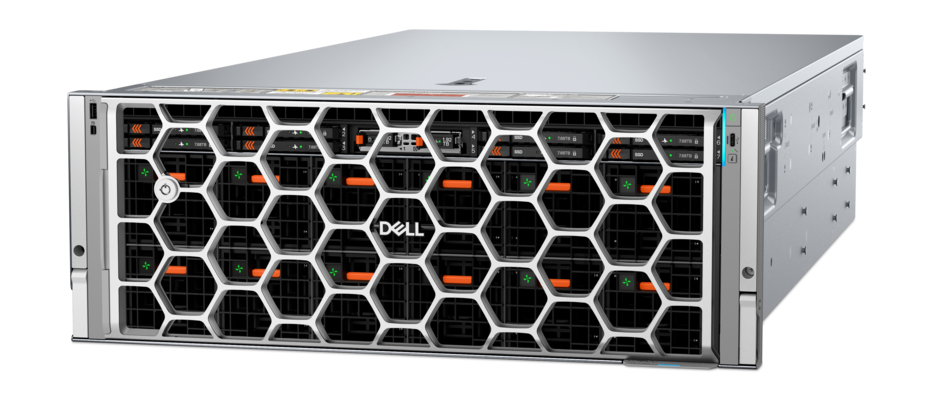
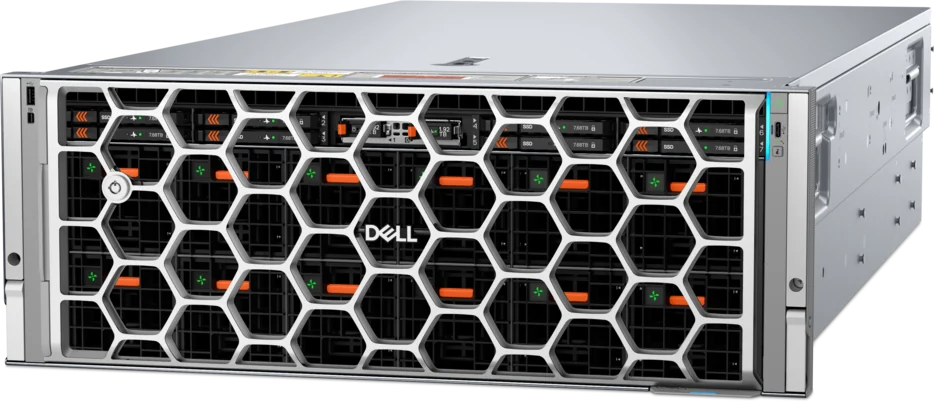
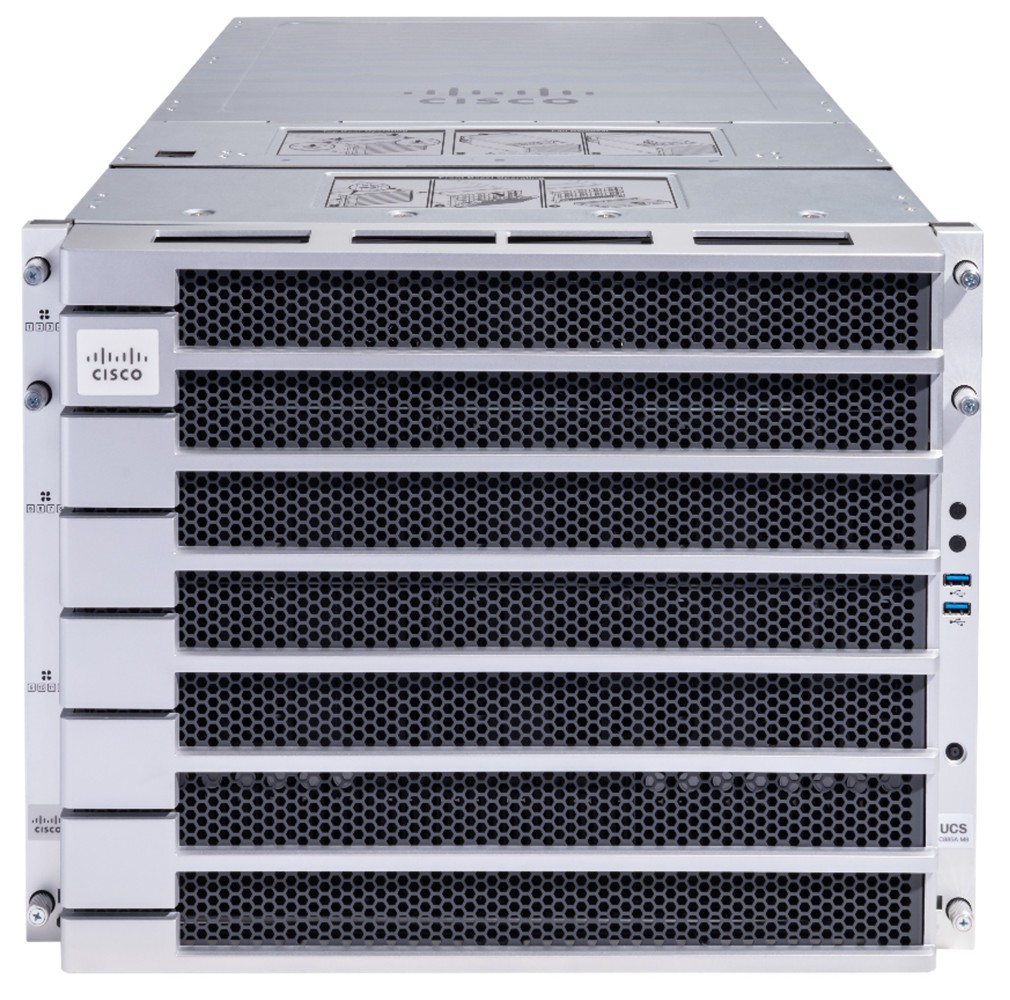
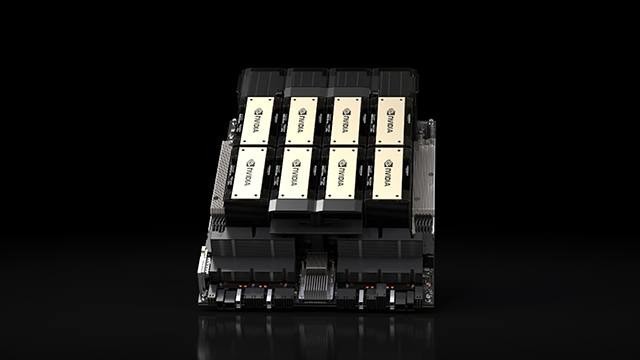
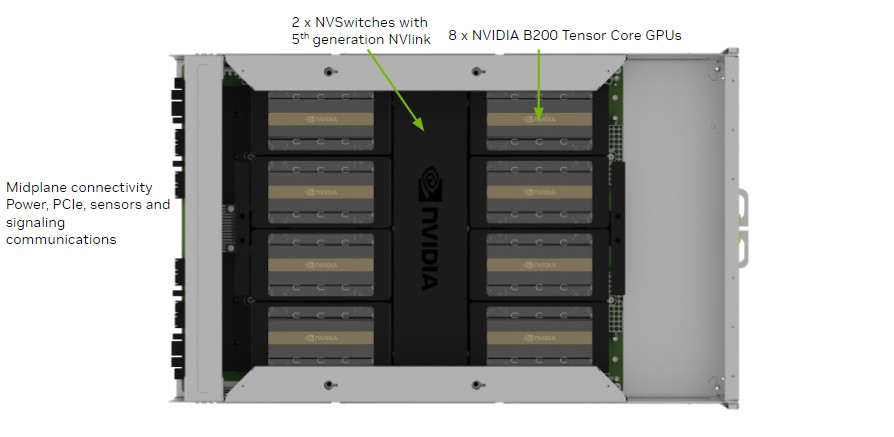
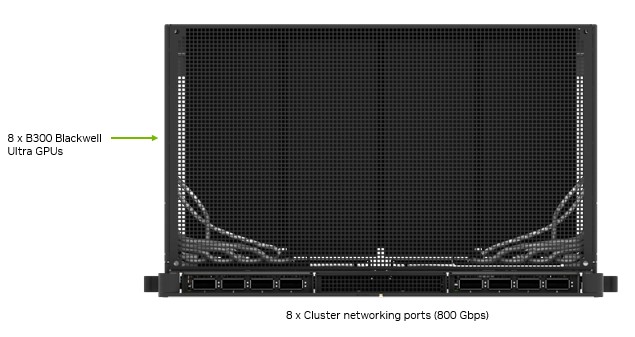
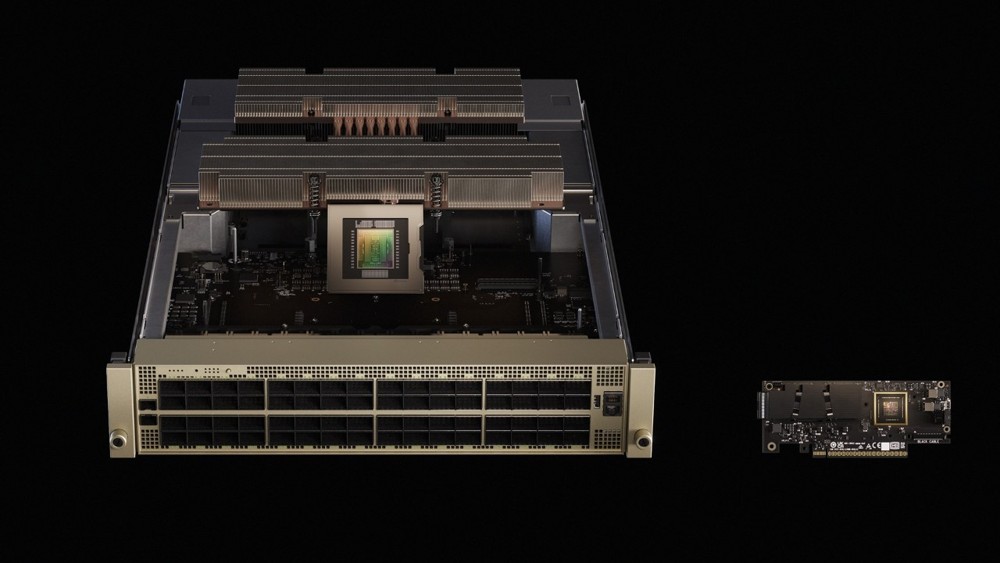
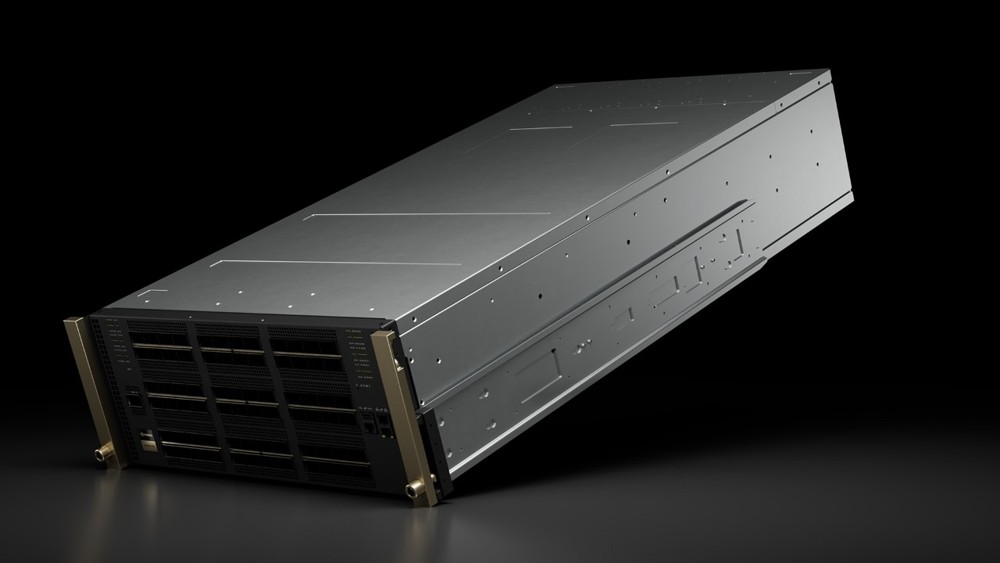
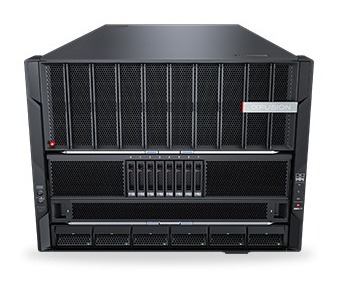
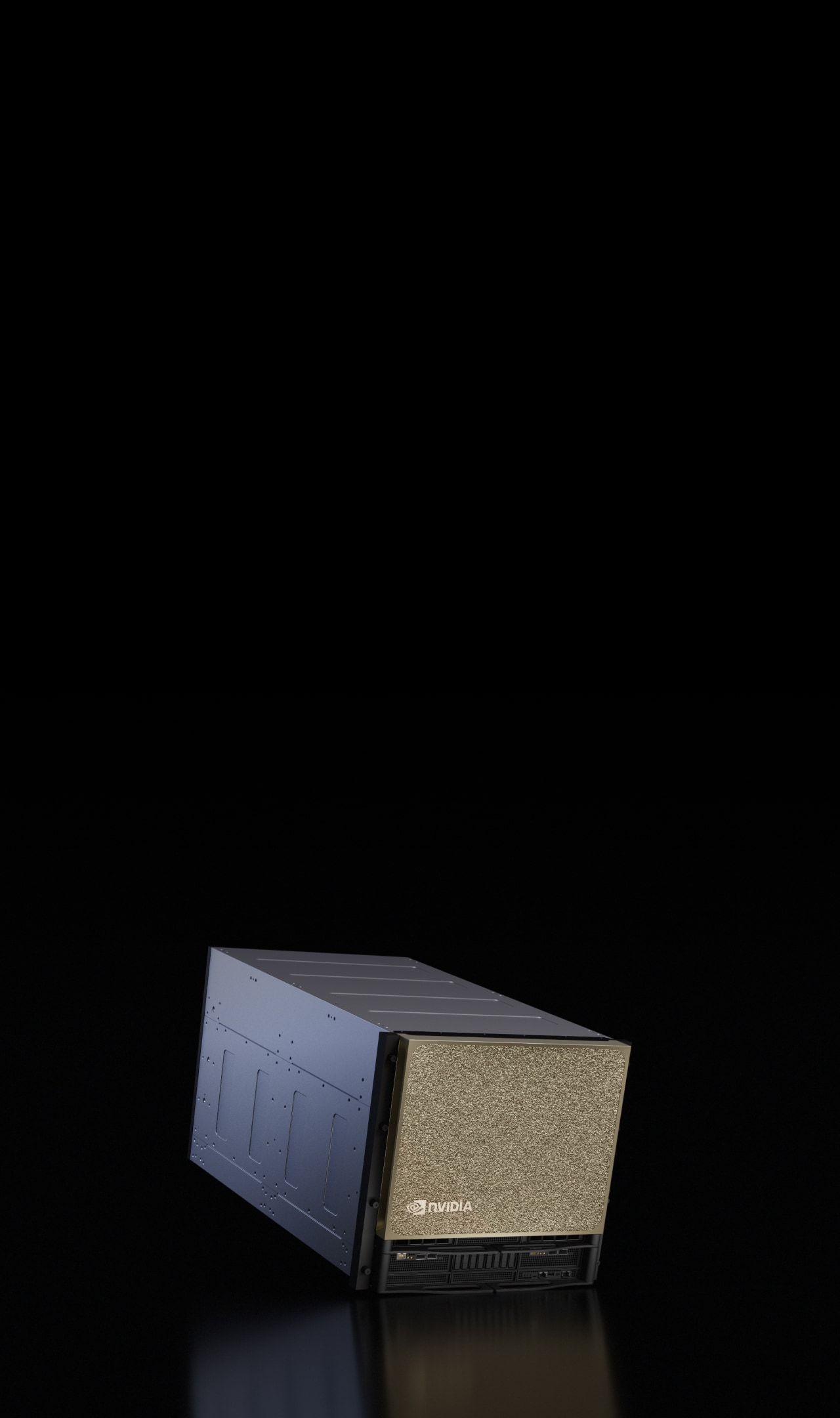
NVIDIA DGX B300
Ready-made computing platform for training and inference. Suitable for creating a unified AI fleet with documented system configuration.
- 8 × B300
- 288 GB on GPU
- 2.3 TB of total GPU memory
 Partner
Servers for AI, GPUs and data center infrastructure. Select the equipment - we will discuss the configuration, cost and delivery conditions.
282 positions
Ready-made computing platform for training and inference. Suitable for creating a unified AI fleet with documented system configuration.
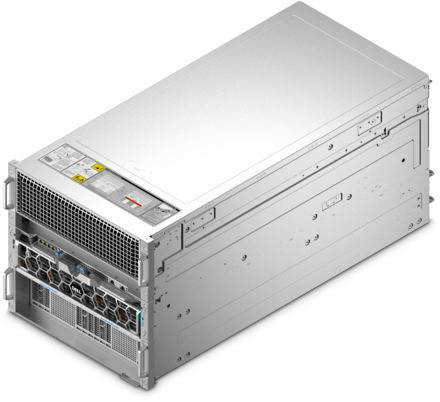
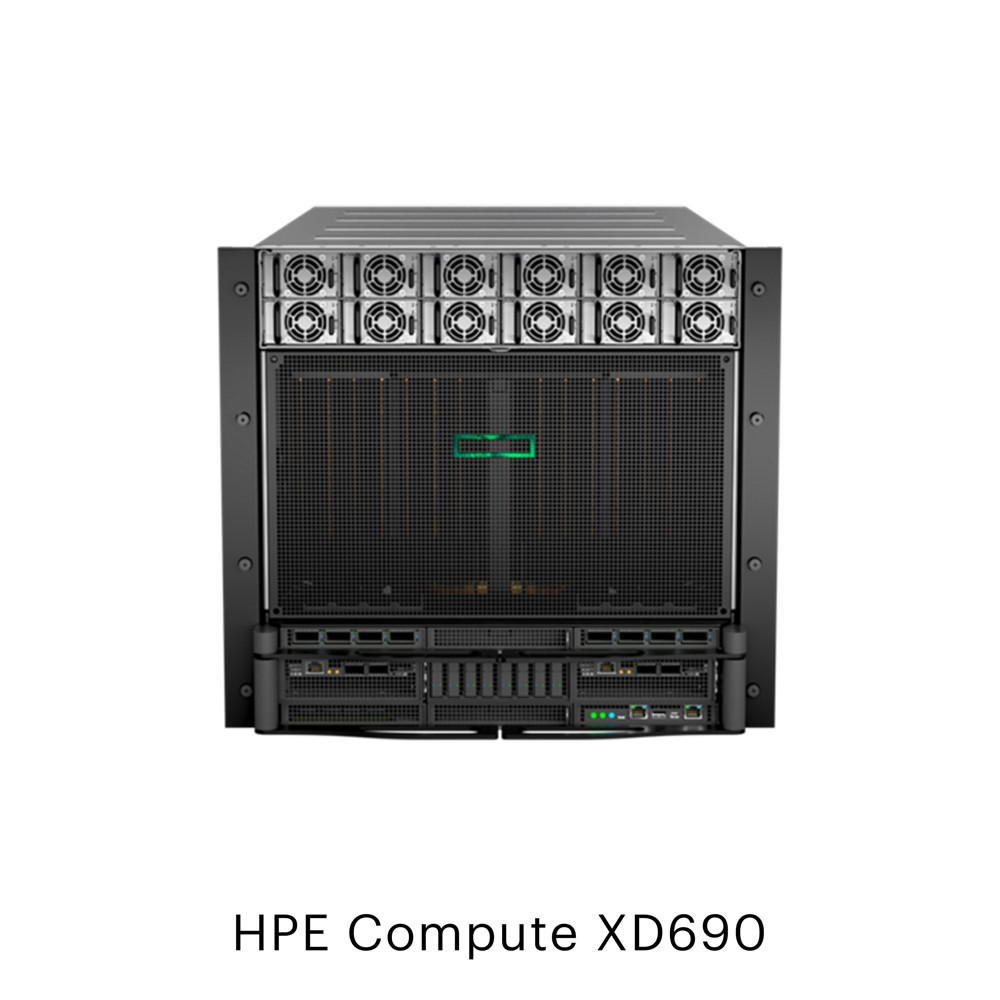
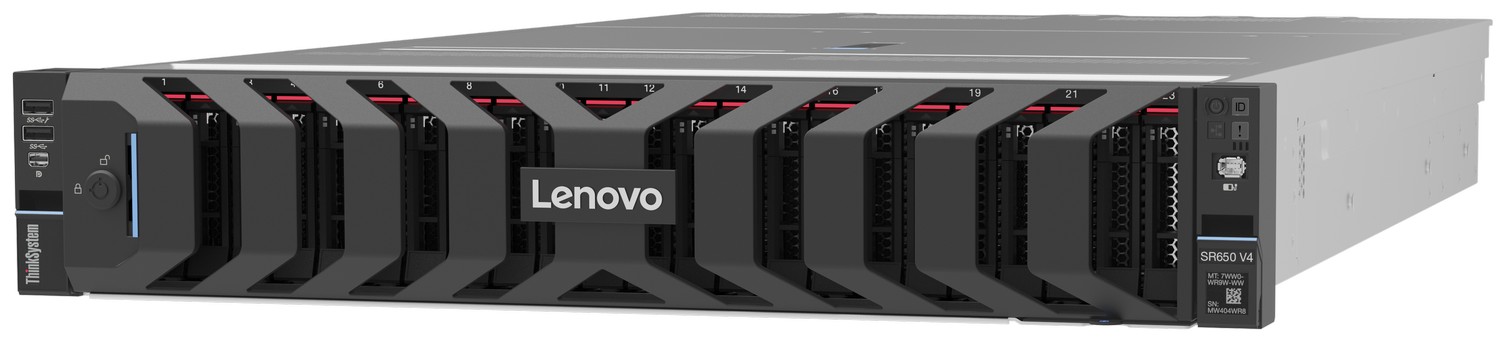
Blackwell server system for training, retraining and deployment of models. Requires testing of rack power and airflow prior to ordering.
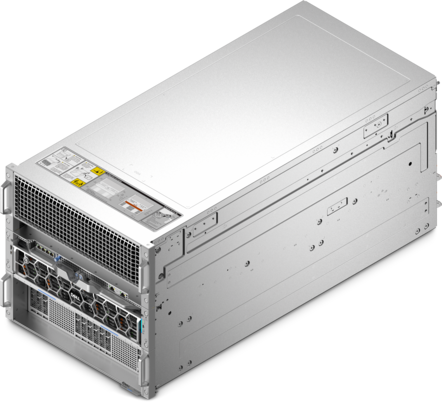
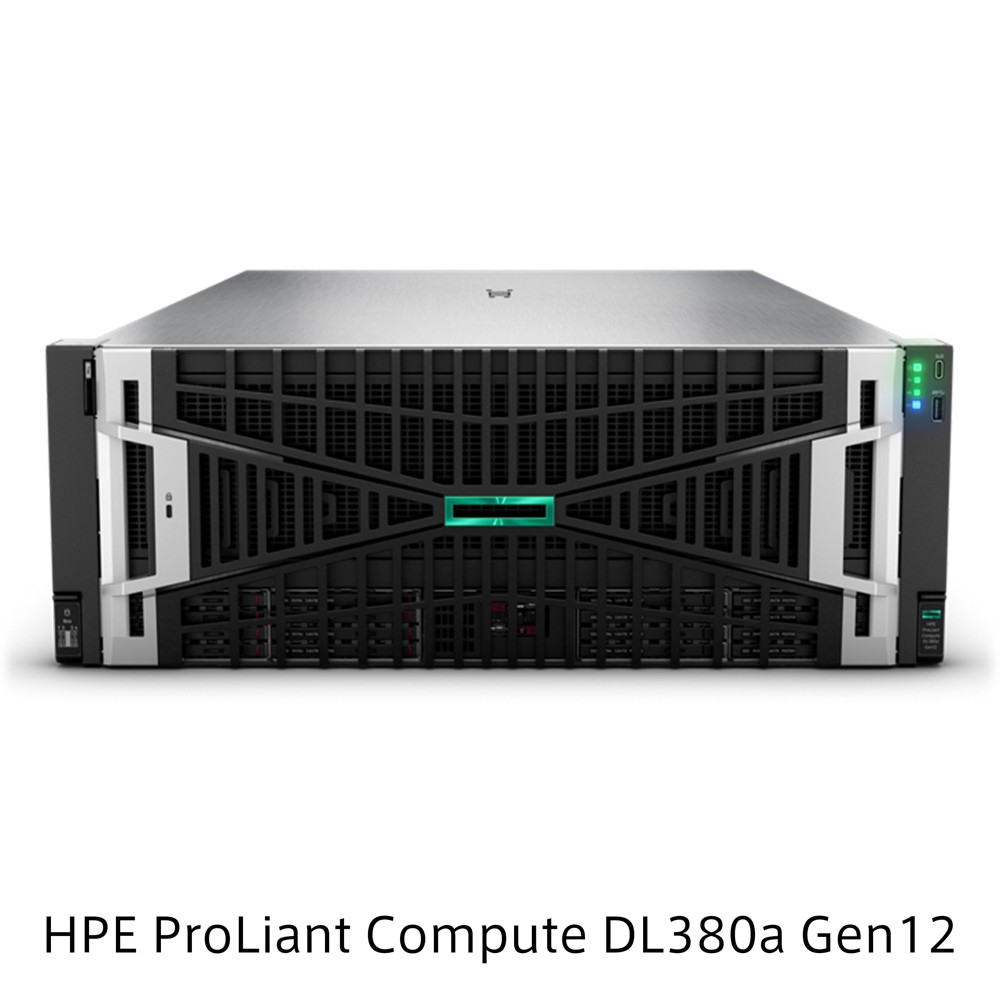
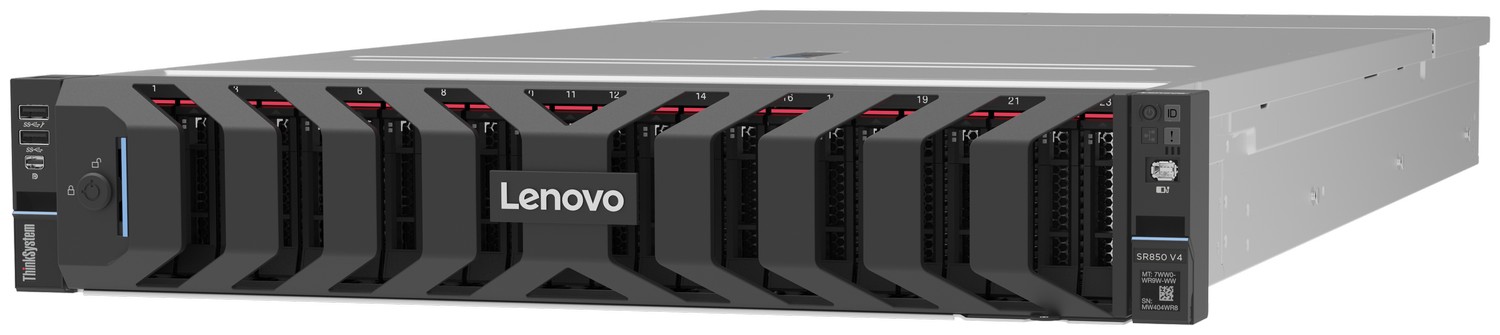
Intel AI platform with eight associated accelerators. An option for sites choosing air cooling and centralized server fleet management.
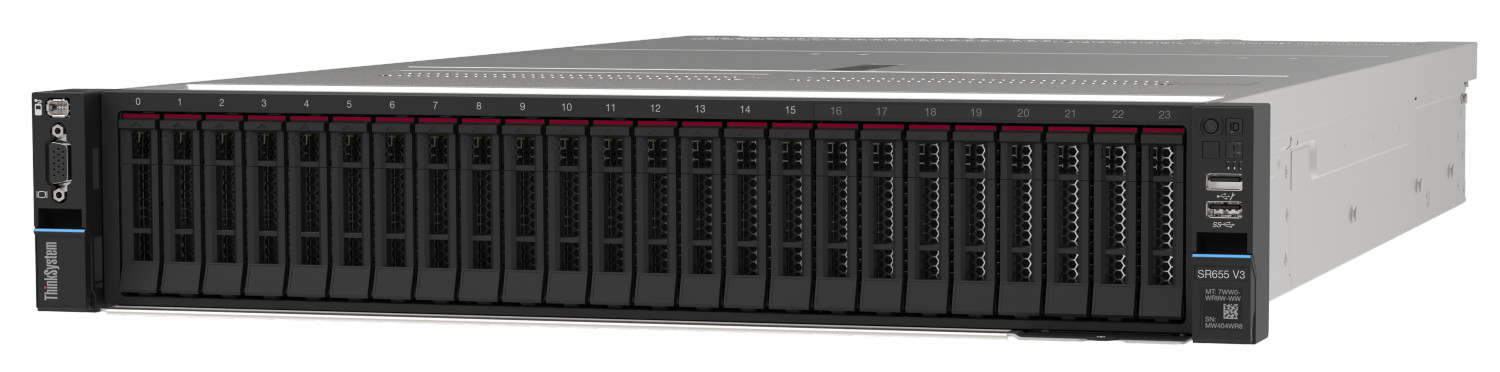
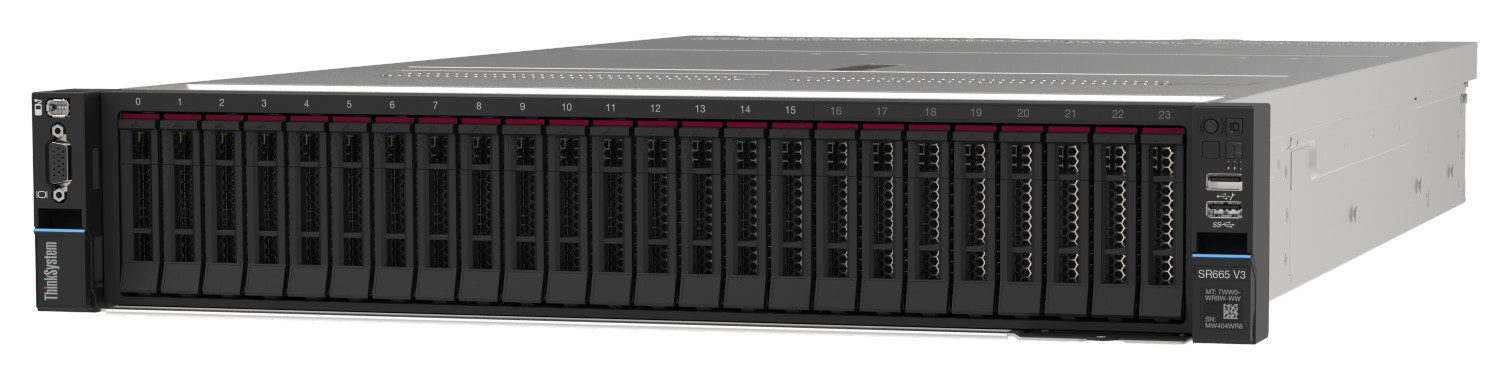
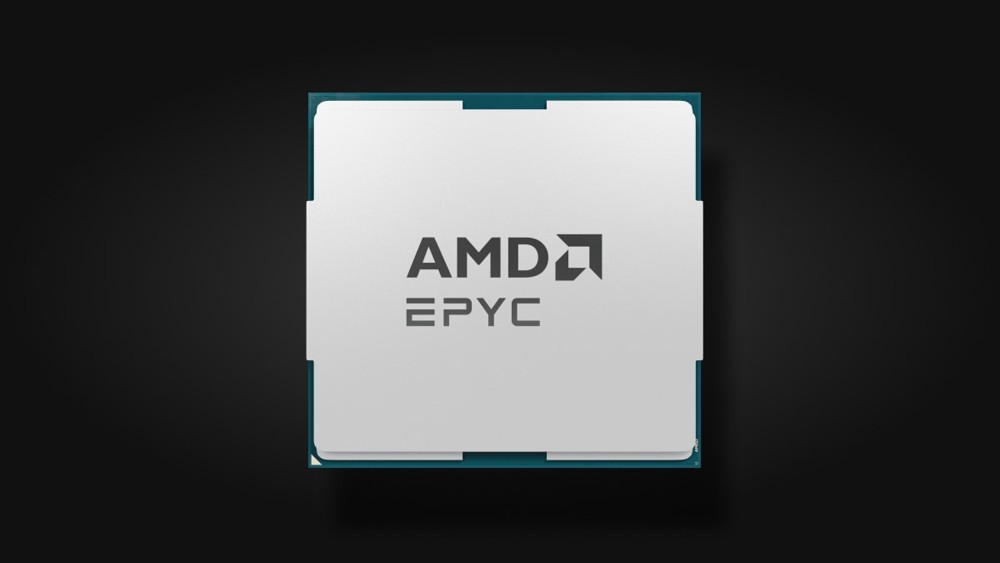
AMD EPYC server for large AI workloads. Different versions with AMD and NVIDIA should be provided with separate configuration options.
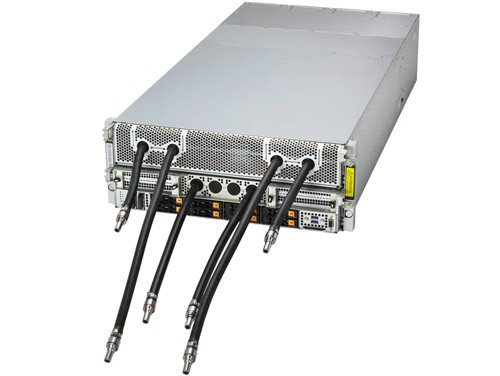
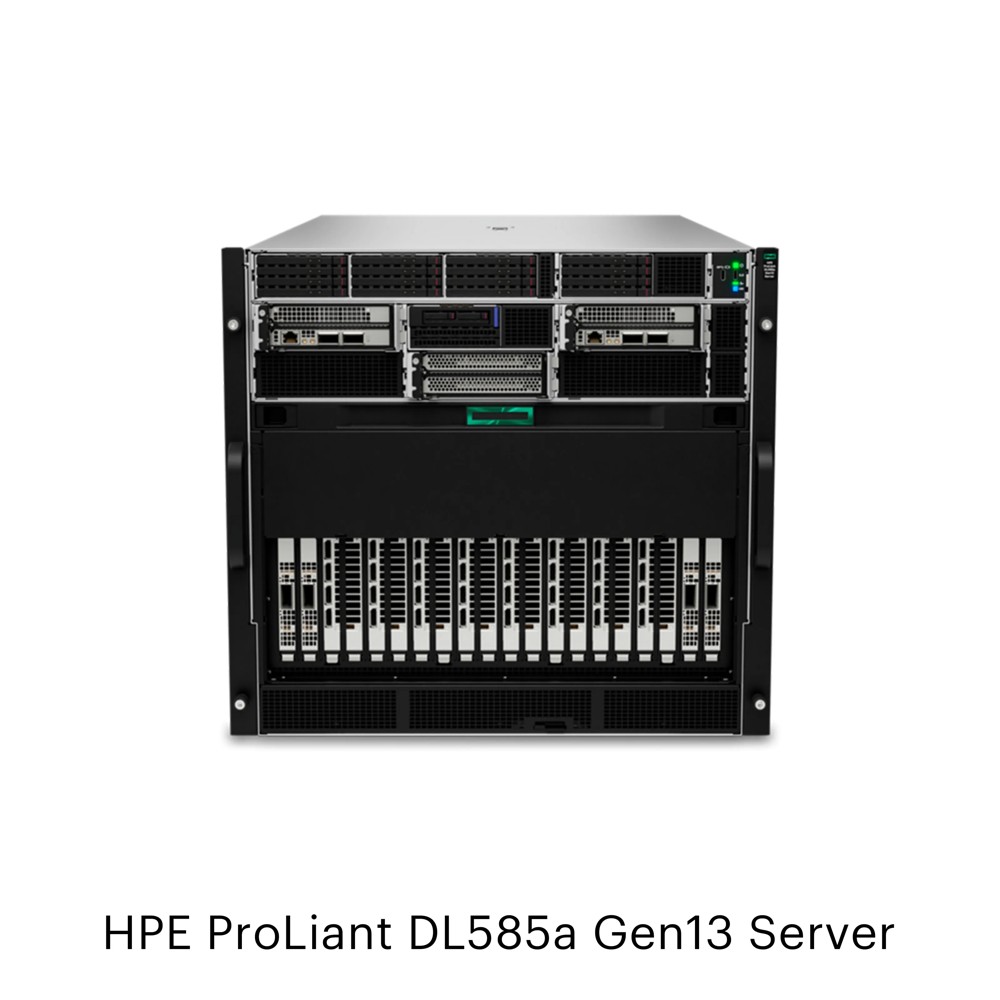
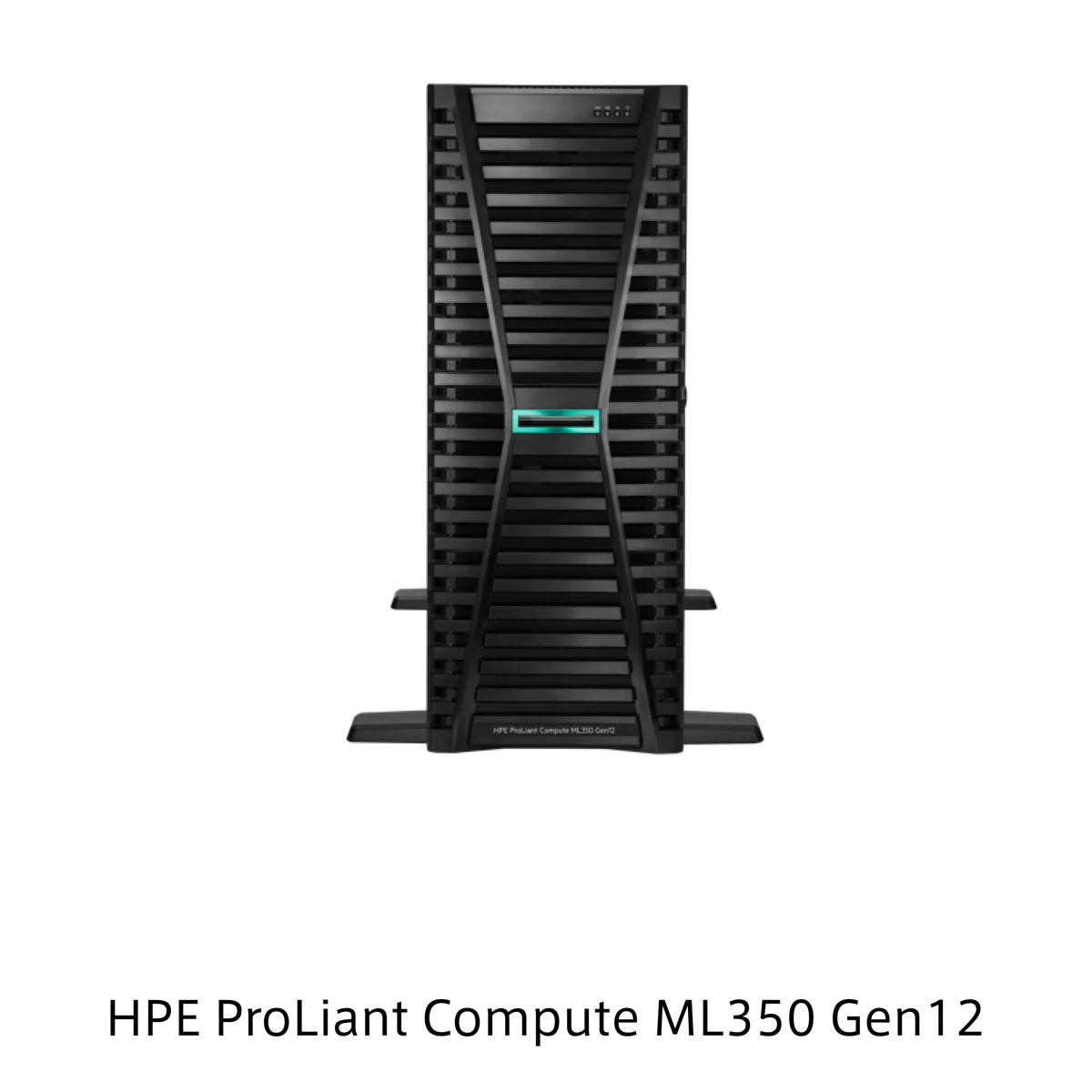
Compute node for AI fluid infrastructure. The delivery must be coordinated with the rack, power shelf and cooling connection.
Intel platform with PCIe accelerators for enterprise AI. Convenient for projects where the GPU composition is selected for several independent services.
AMD EPYC server with flexible GPU configuration. Designed for deployment of inference and model adaptation tasks in corporate infrastructure.
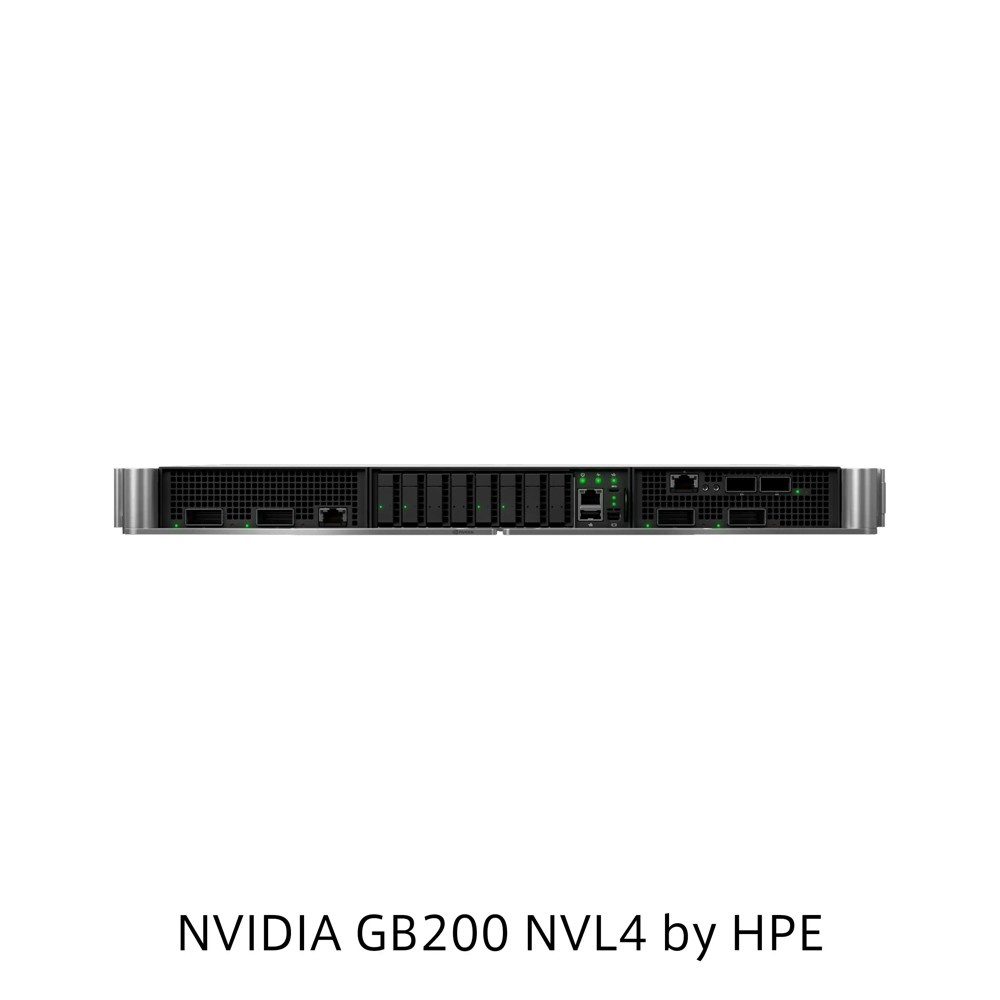
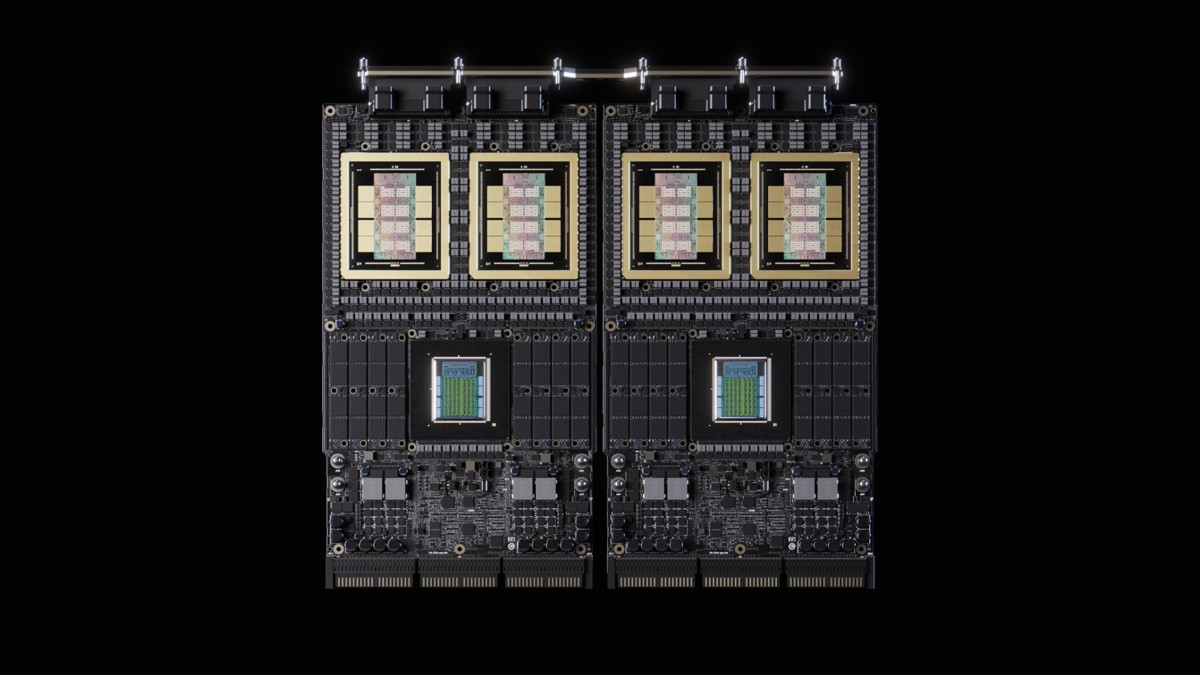
Grace Blackwell Ultra Module for Rack Level System. Considered as part of a consistent architecture, including networking and liquid cooling.
AI platform with NVIDIA and AMD accelerator options. The design is selected after agreeing on the software environment and the method of heat removal.
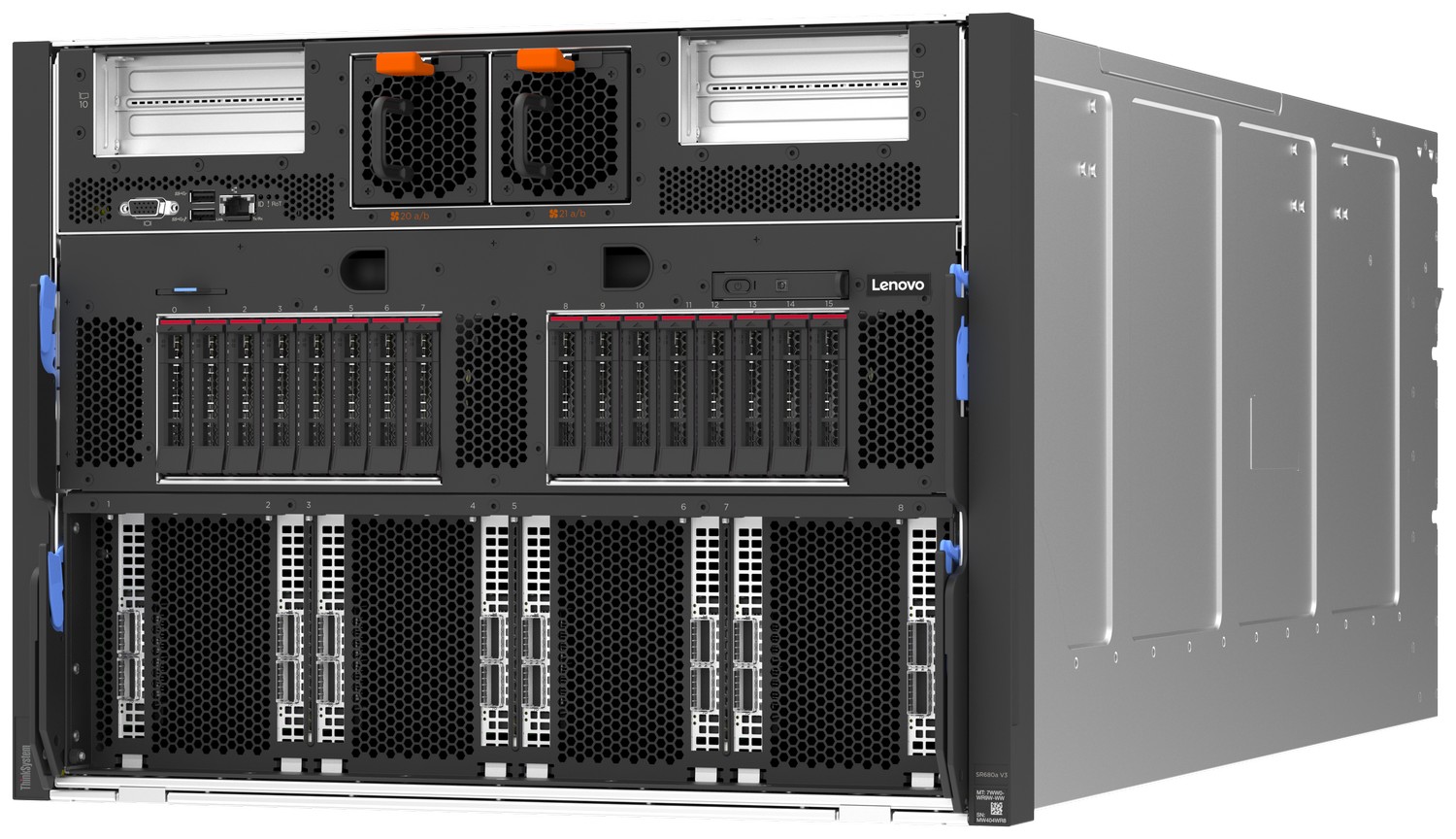
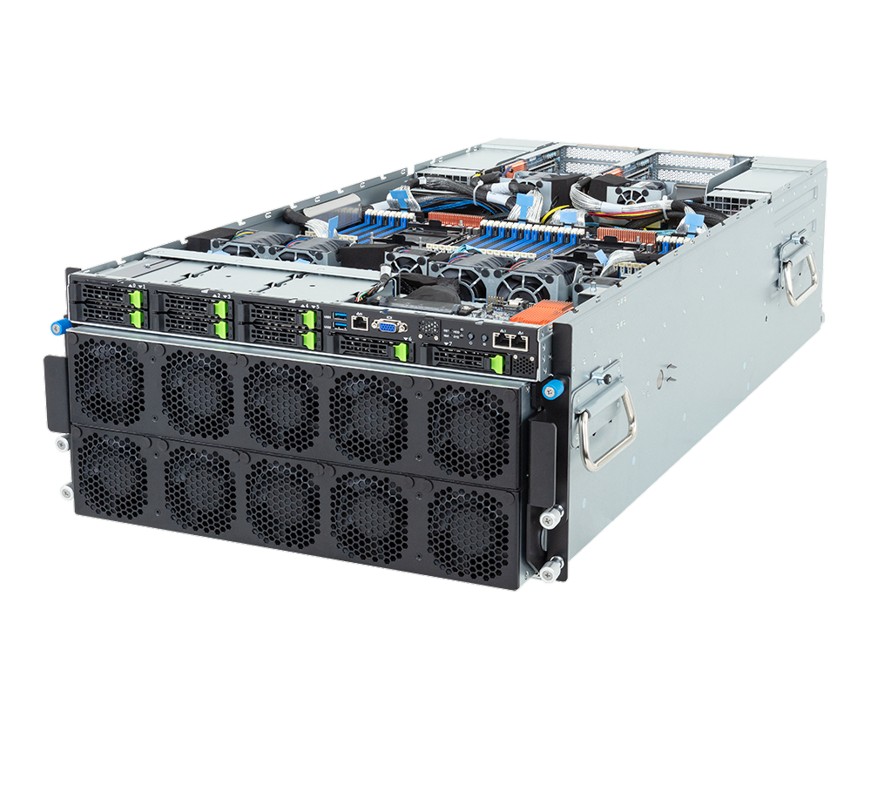
Blackwell Ultra server for training and operating large models. Designed for air infrastructure with sufficient power reserves.
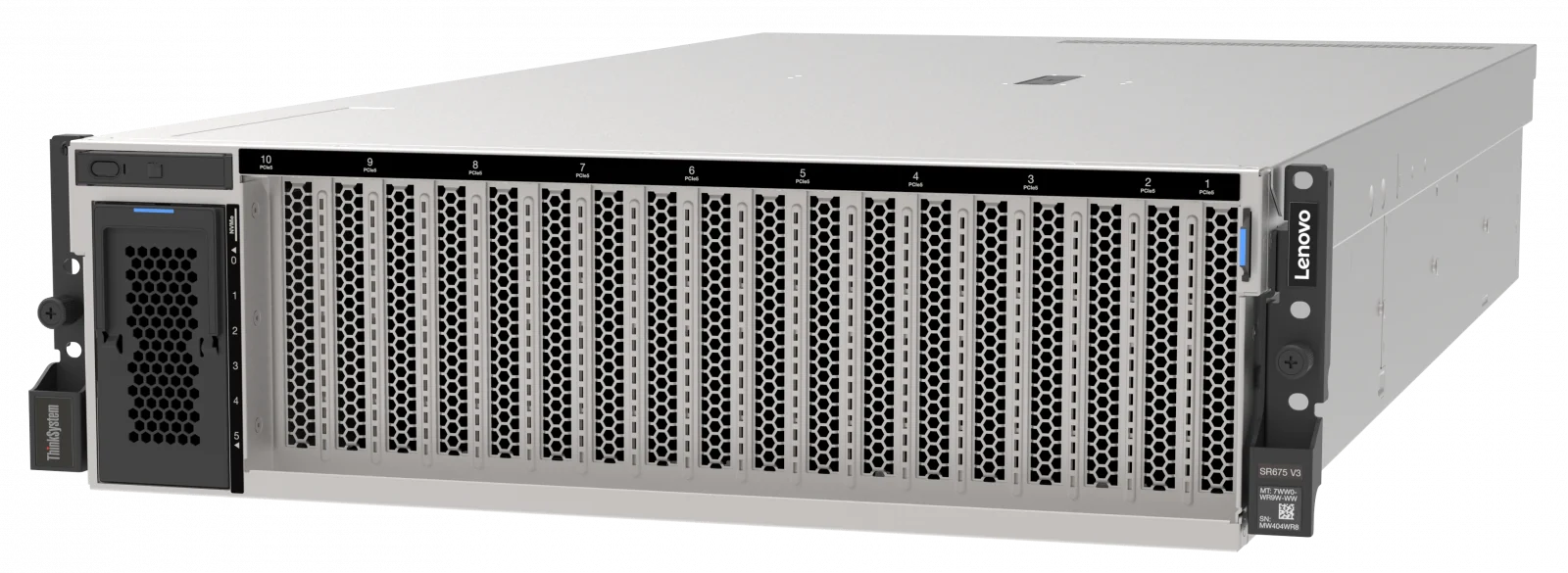
GPU platform for enterprise AI services. Suitable for discussing configurations with PCIe accelerators and integration into an existing server environment.
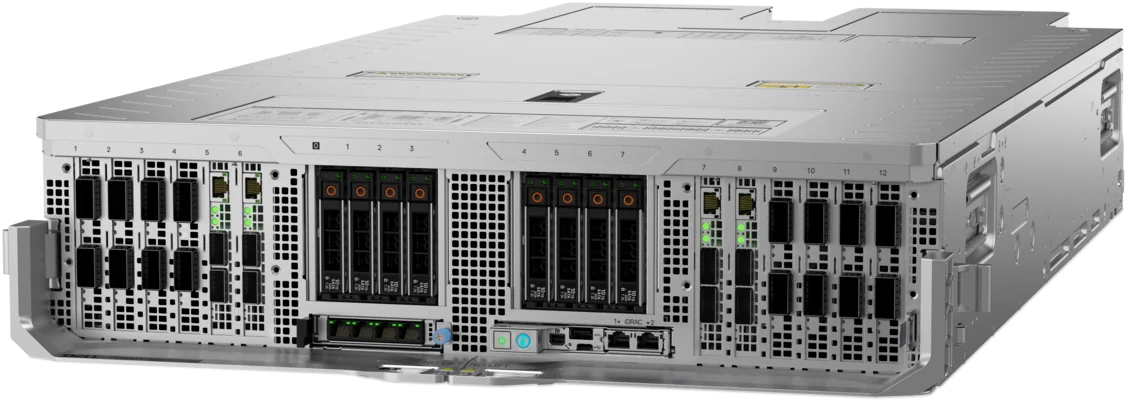
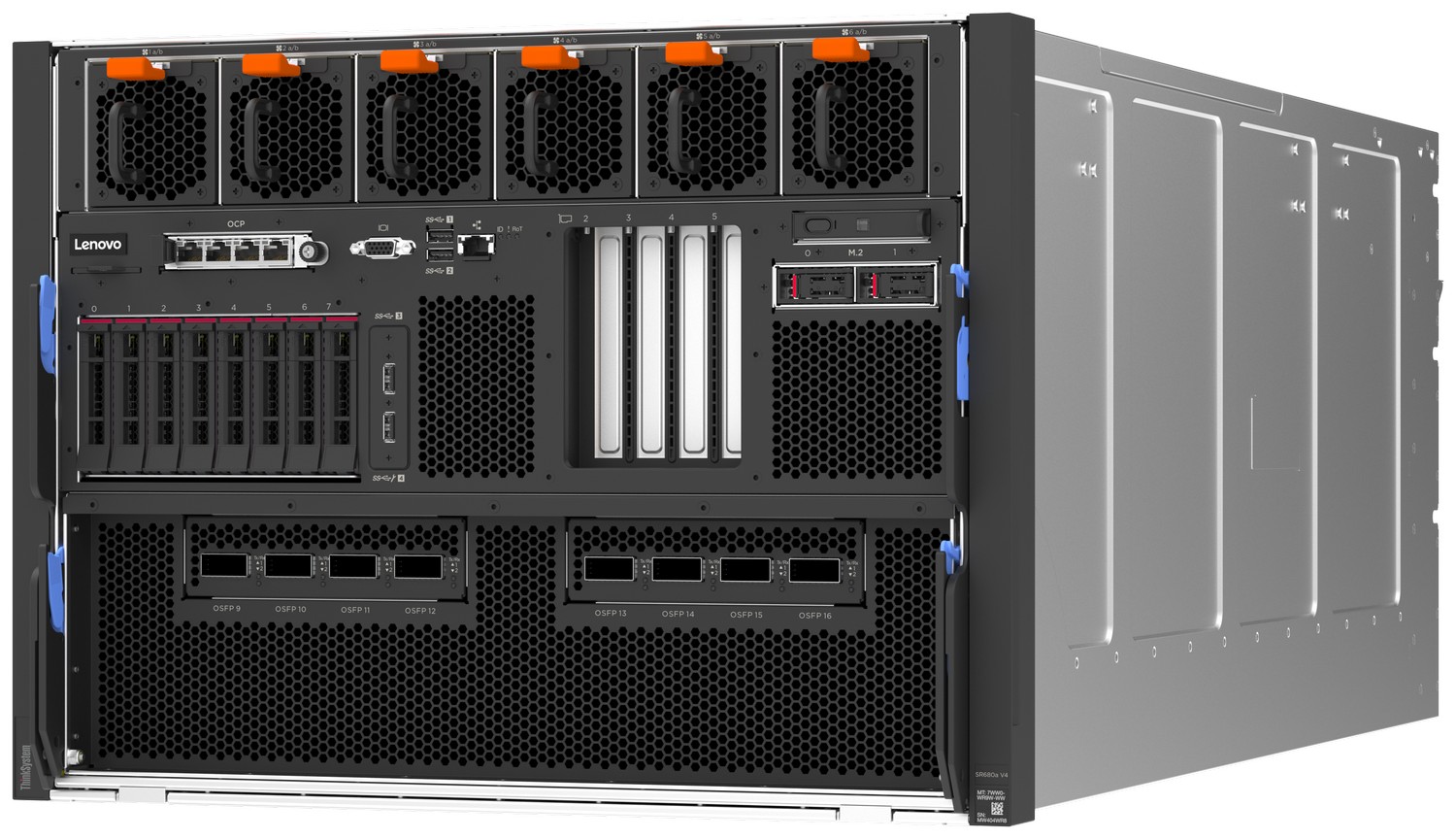
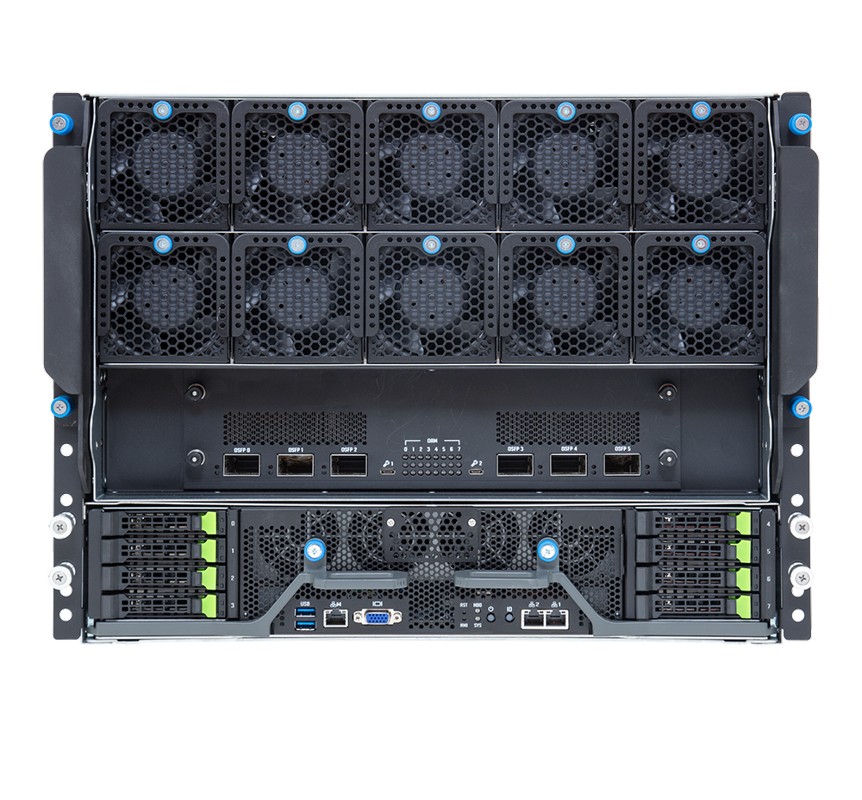
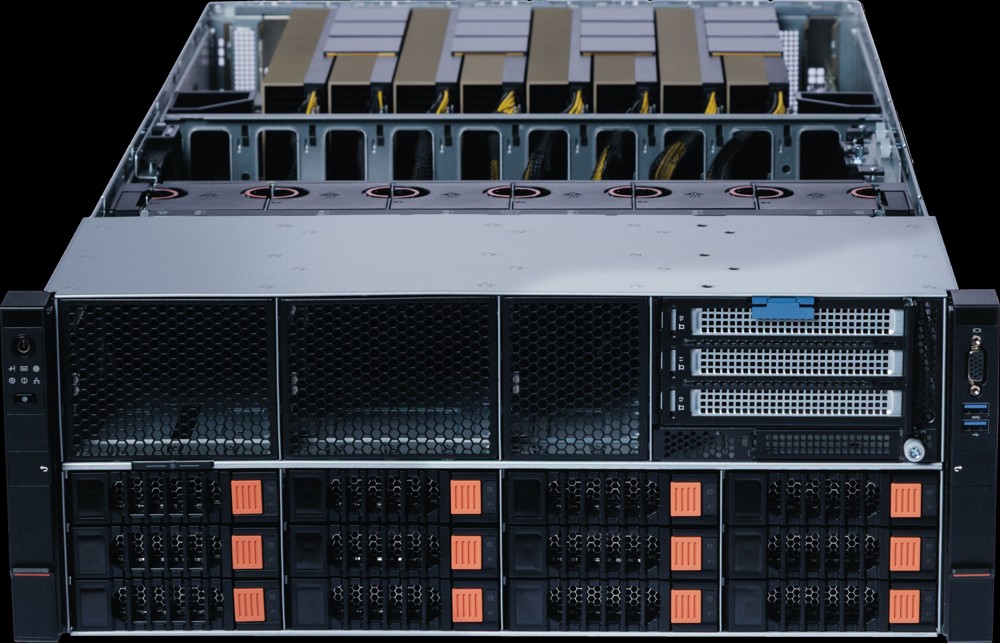
Generative AI server with eight B300s and high-speed network controllers. Designed for air-cooled areas.
Blackwell platform on previous generation Intel processors. Allows you to compare the B200 architecture with newer systems within a specific project.
AMD GPU server for a flexible set of accelerators and workloads. When selecting, you need to distinguish PCIe versions from removed GPU option boards.
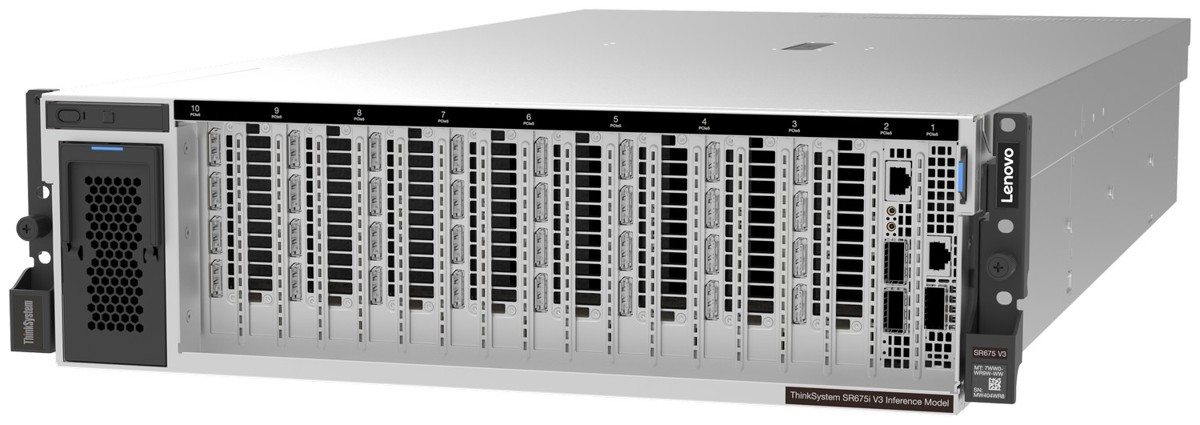
Specialized configuration of the SR675 family for inference. The set of GPUs and network cards is fixed for the required model and request flow.
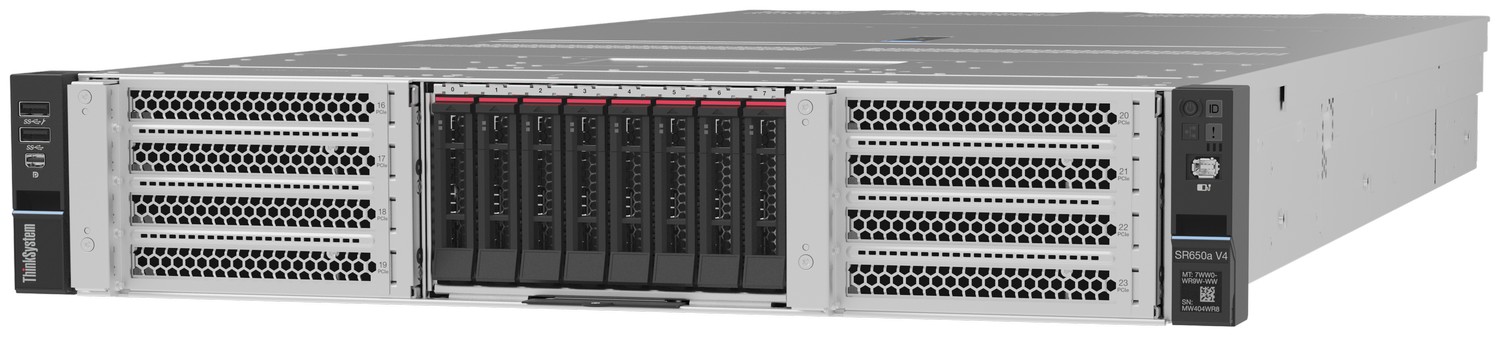
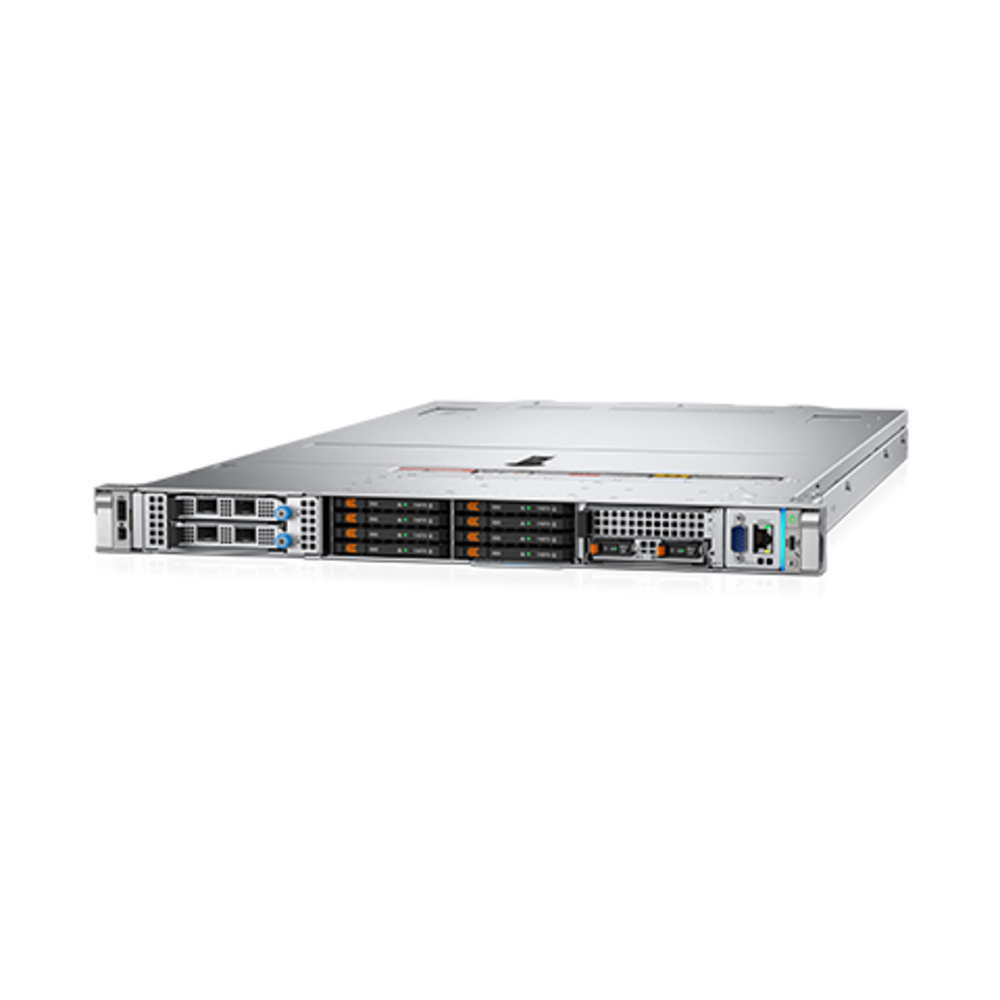
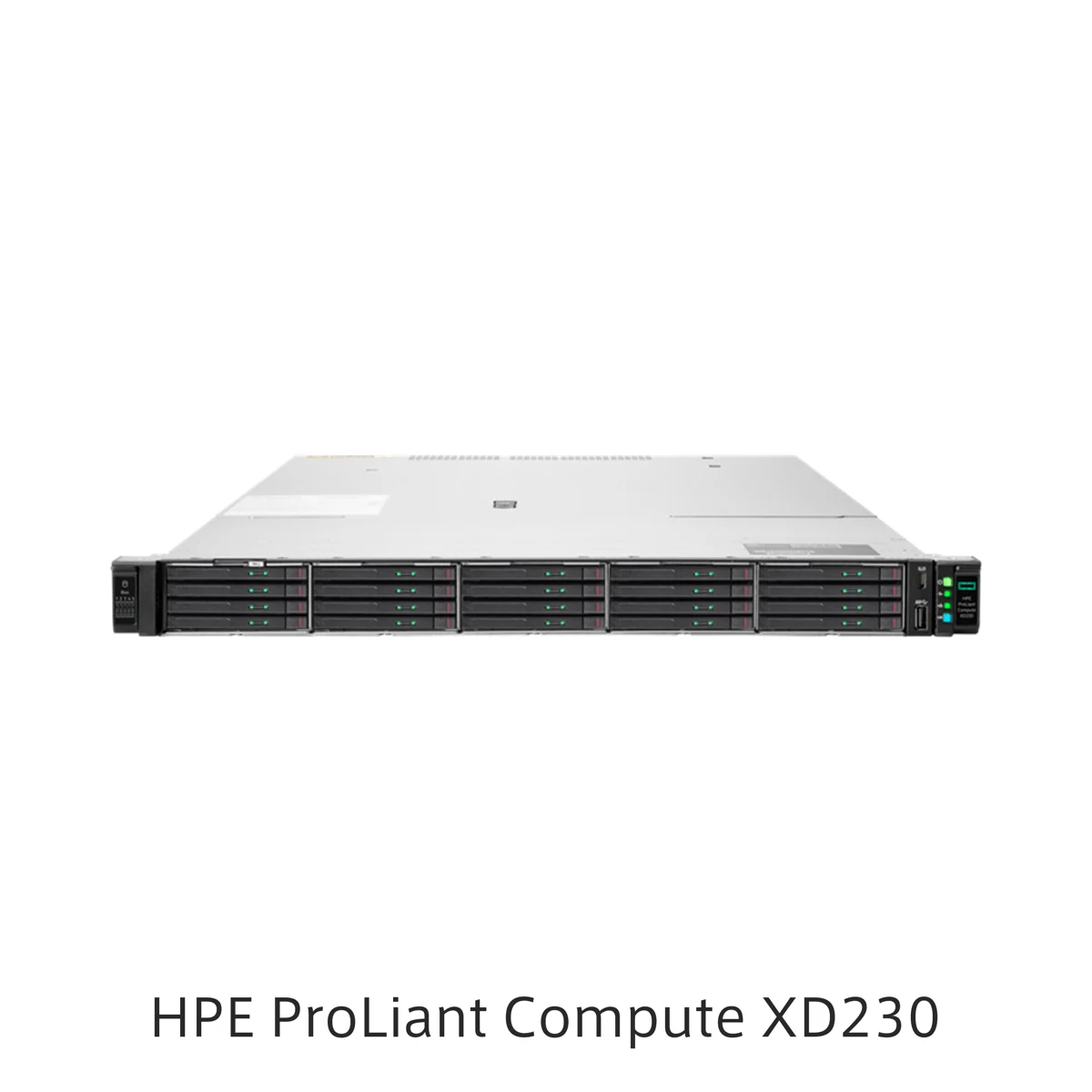
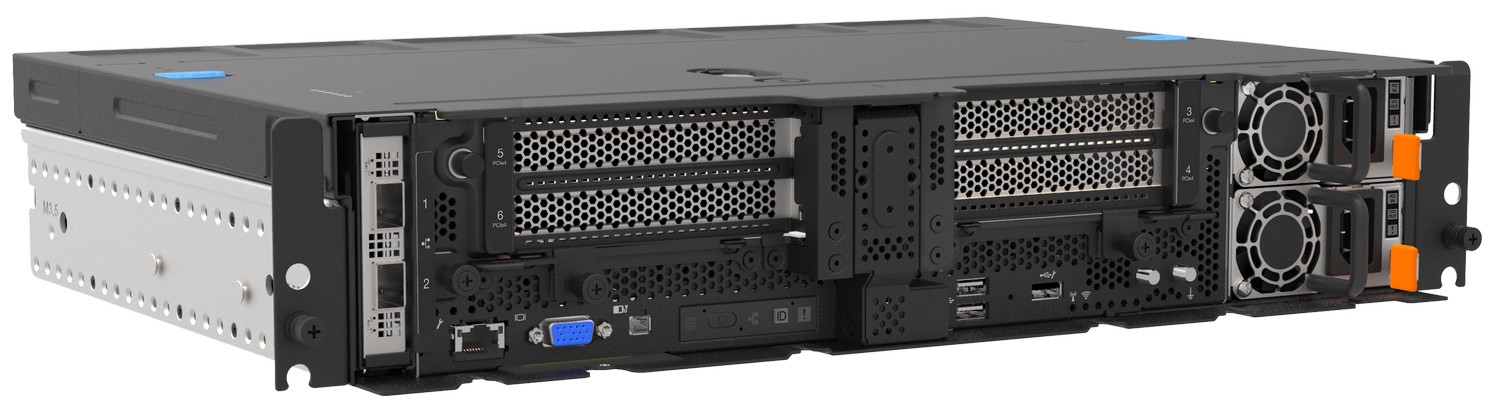
Compact platform for GPU tasks in a standard rack format. Helps deploy enterprise AI services without moving to a large format server.
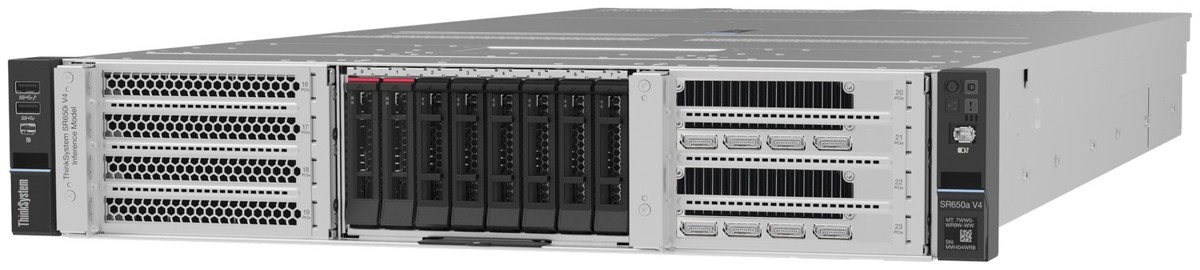
An inference-oriented version of the SR650a family. The specific configuration should be selected based on GPU compatibility and required latency.
Fluid GPU platform for dense computing. The current composition of accelerators requires a separate check against the history of management changes.
Previous range AMD Instinct platform. Save for reference requests on installed equipment and selection of replacements.
AMD AI platform with accelerator interconnect. Suitable for comparing ROCm solutions when the model and software stack are consistent.
AMD server with eight GPUs for parallel computing. The choice of accelerators and interconnects depends on the consistent implementation.
High GPU density server for training and RAG. NVIDIA and AMD versions are considered different configurations.
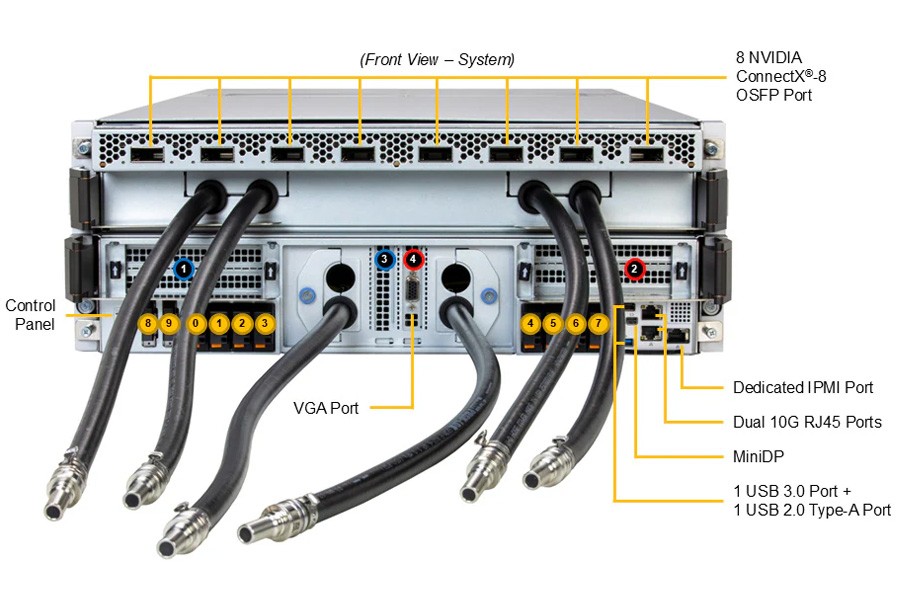
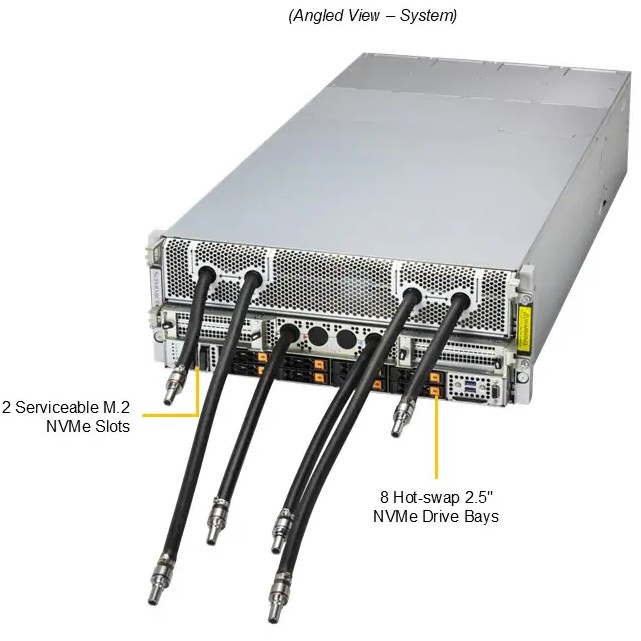
Blackwell Ultra Fluid Server for dense GPU placement.
AMD EPYC platform with Blackwell Ultra accelerators and liquid heatsink.
Blackwell liquid cooled server for training models.
B200 platform on AMD for consistent fluidic circuitry.
Instinct Platform for AI in Liquid Cooled Infrastructure.
Blackwell Ultra Open Rack ORV3 Assembly.
GPU platform from the manufacturer's portfolio; The equipment must be coordinated according to the exact model suffix.
GPU platform from the manufacturer's portfolio; The equipment must be coordinated according to the exact model suffix.
GPU platform from the manufacturer's portfolio; The equipment must be coordinated according to the exact model suffix.
A platform from the ASRock Rack GPU portfolio for project selection of compatible accelerators.
A platform from the ASRock Rack GPU portfolio for project selection of compatible accelerators.
A platform from the ASRock Rack GPU portfolio for project selection of compatible accelerators.
A platform from the ASRock Rack GPU portfolio for project selection of compatible accelerators.
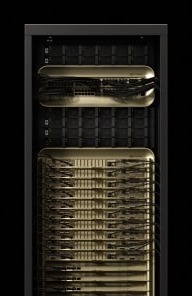
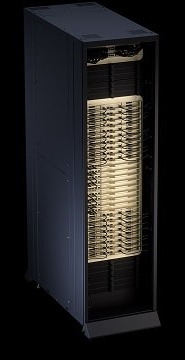
Grace Blackwell Ultra Rack-Level System for AI at Scale. Designed with cooling, power infrastructure, and inter-rack networking included.
Grace Blackwell compute rack with integrated GPU interconnect. It is considered as an infrastructure project with pre-agreed engineering conditions.
Grace Blackwell modular architecture for tasks at the intersection of AI and scientific calculations. This is a partner server platform, not a standalone generic SKU.
The next generation of rack-level system for agent-based AI. The specific OEM version and delivery availability must be checked separately.
Rubin architecture for liquid modular servers. Include as a new selection direction with mandatory clarification of the specific platform.
Hopper module for GPU platforms with high-speed interconnect.
PCIe accelerator Hopper for servers with coordinated NVLink bridges.
Hopper module for training and computing on HGX-compatible systems.
PCIe Hopper option for coherent multi-card configurations.
Blackwell accelerator included in a compatible server GPU board.
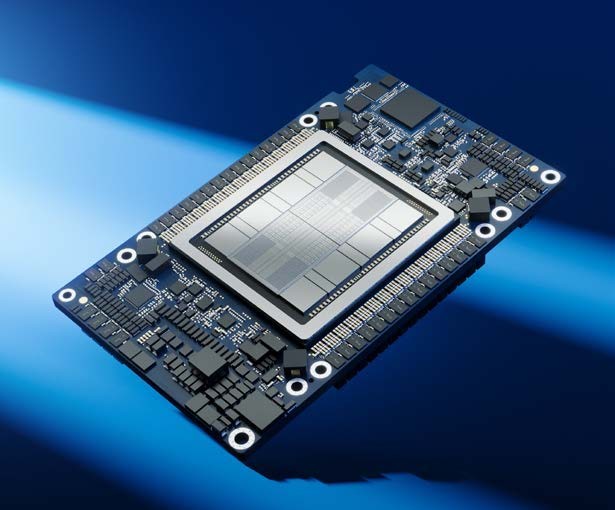
Blackwell Ultra module for specialized server platforms.
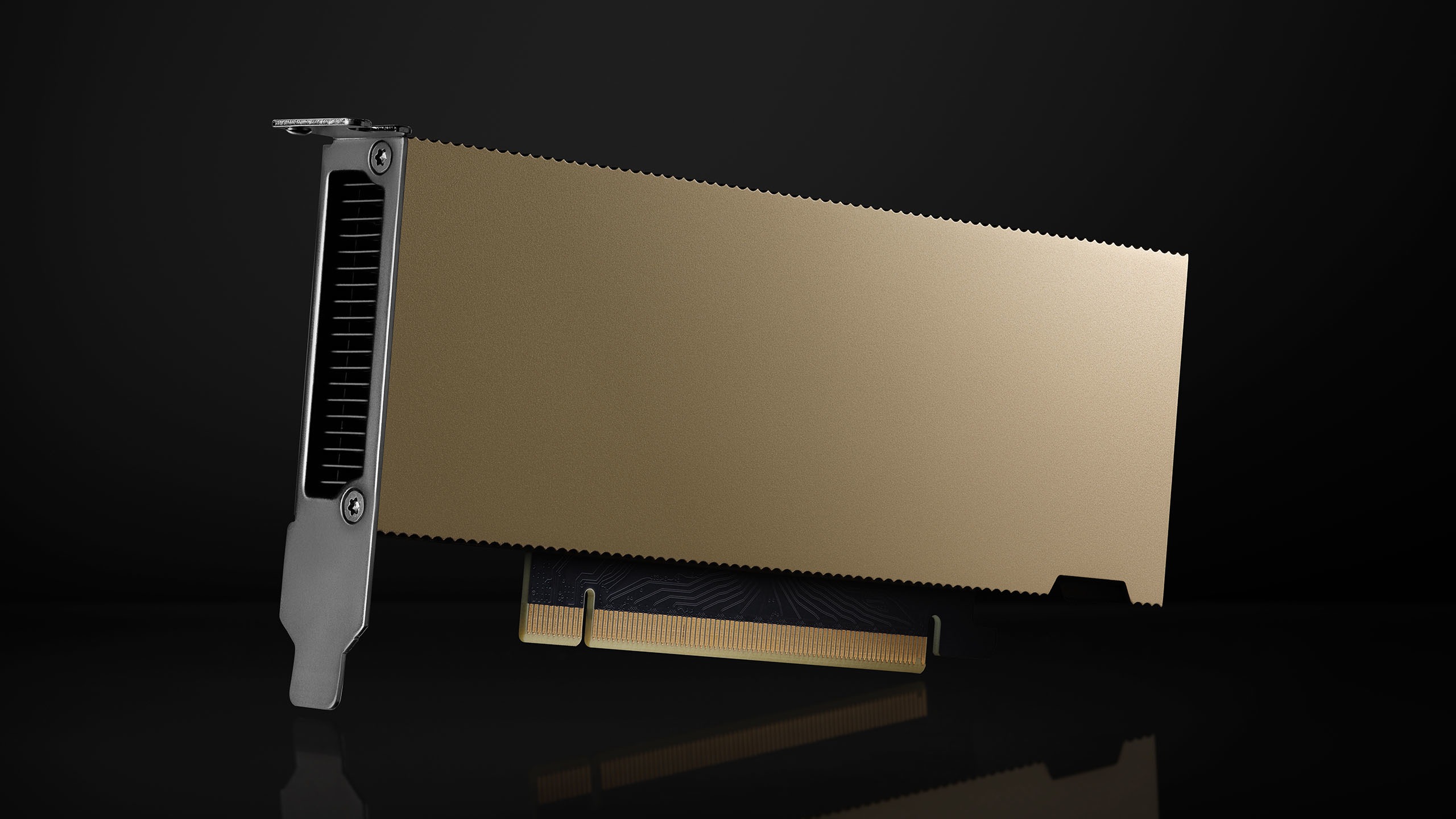
Server GPU for inference, graphics and mixed workloads.
Accelerator for AI, visualization and media processing.
Compact accelerator for video analytics and moderate inference workloads.
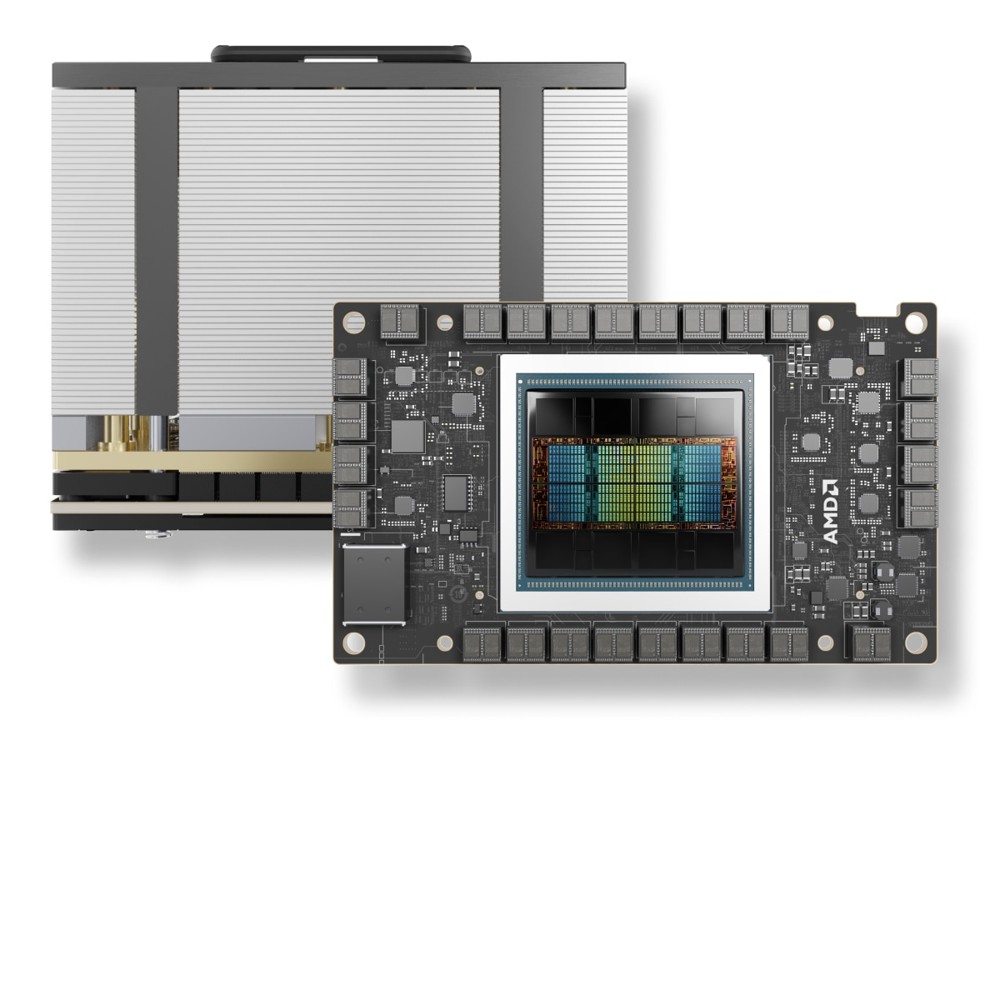
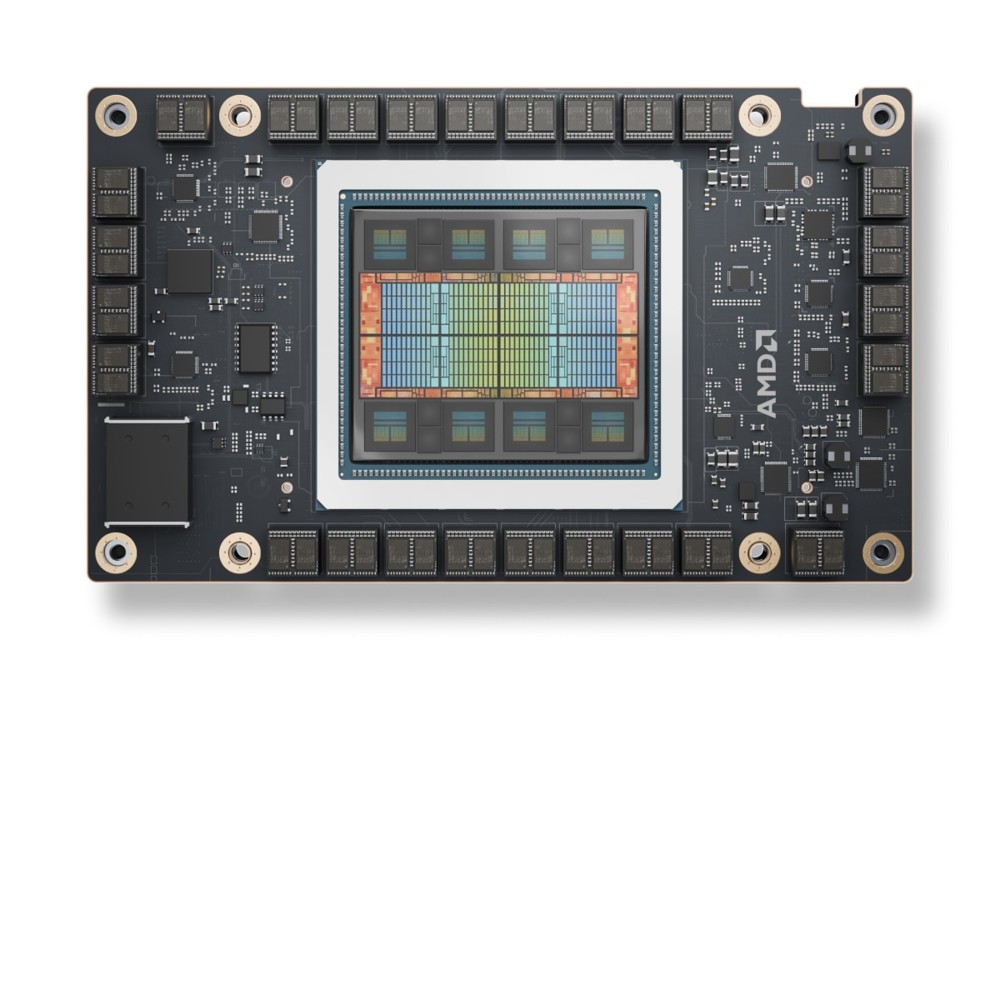
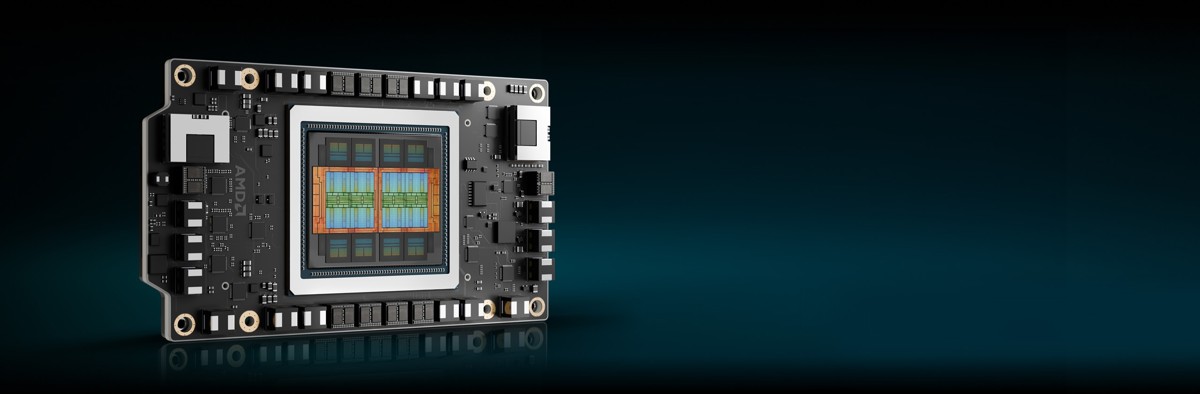
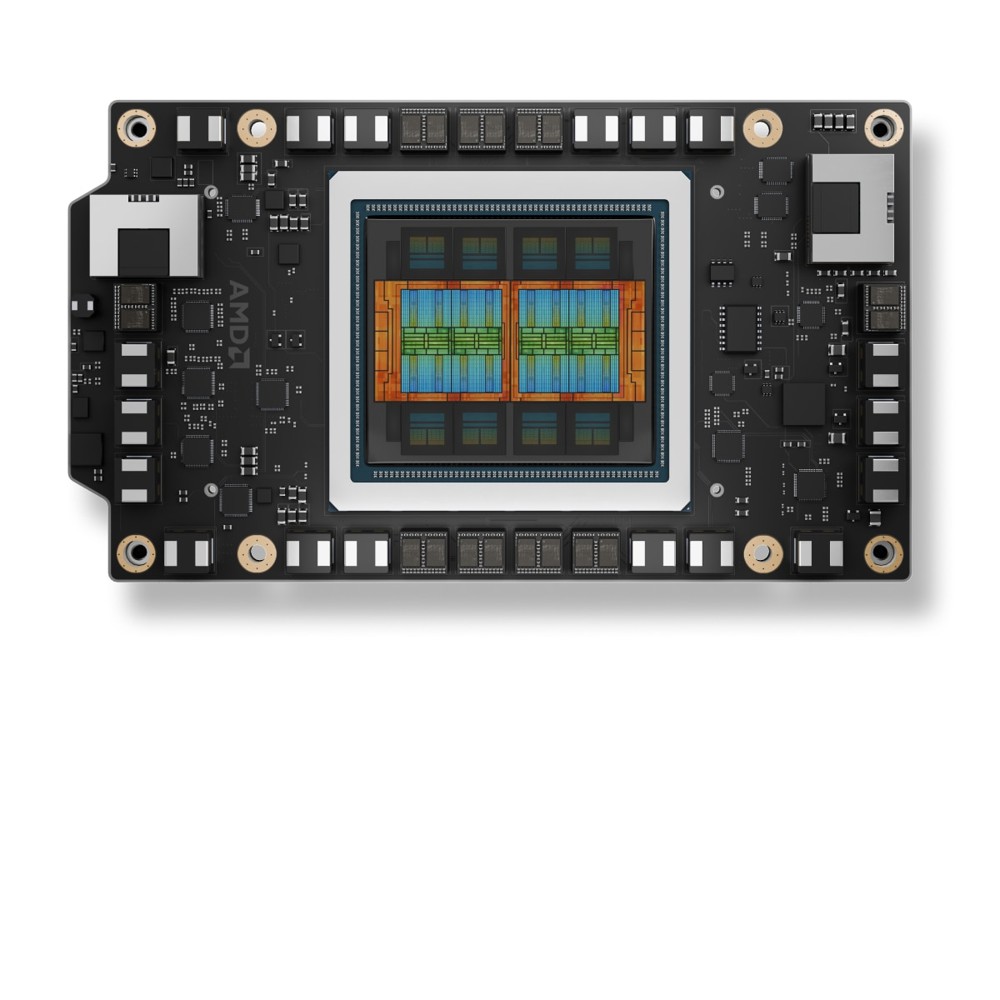
OAM accelerator for AI models in a compatible ROCm software environment.
Instinct accelerator with increased memory for learning and inference.
CDNA 4 accelerator for server AI platforms.
CDNA 4 accelerator for high-density AI configurations.
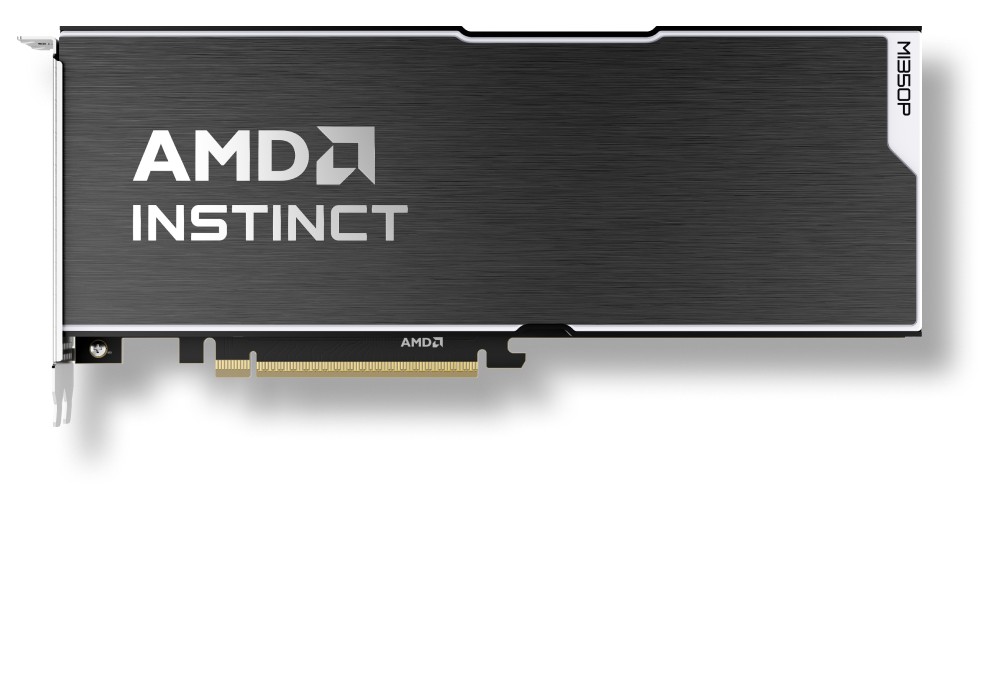
PCIe version of Instinct for enterprise AI.
AI accelerator with scaling over Ethernet; Software compatibility is checked separately.
Gaudi PCIe execution for interoperable servers and consistent AI workloads.
Rack platform for a dense fleet of computing nodes.
A universal platform for enterprise computing and AI workloads.
AMD family server for corporate computing infrastructure.
AMD platform for virtualization, analytics and data preparation.
Single-socket matching direction for consistent workload.
Platform for selecting an enterprise configuration with one CPU.
Corporate server platform for selection for a specific load.
Corporate server platform for selection for a specific load.
Corporate server platform for selection for a specific load.
Corporate server platform for selection for a specific load.
Corporate server platform for selection for a specific load.
Corporate server platform for selection for a specific load.
Corporate server platform for selection for a specific load.
Server platform for the design configuration of enterprise computing.
Server platform for the design configuration of enterprise computing.
Server platform for the design configuration of enterprise computing.
Server platform for the design configuration of enterprise computing.
Server platform for the design configuration of enterprise computing.
Server platform for the design configuration of enterprise computing.
Server platform for the design configuration of enterprise computing.
Server platform for the design configuration of enterprise computing.
Rack-mount platform for unifying the corporate computing fleet.
Rack-mount platform for unifying the corporate computing fleet.
Rack-mount platform for unifying the corporate computing fleet.
Rack-mount platform for unifying the corporate computing fleet.
AMD server for compute and cloud workloads.
AMD platform for universal computing and selection of GPU options.
Multinode system for dense computing and engineering applications.
New generation direction announced; use for forward planning.
New generation direction announced; use for forward planning.
New generation direction announced; use for forward planning.
New generation direction announced; use for forward planning.
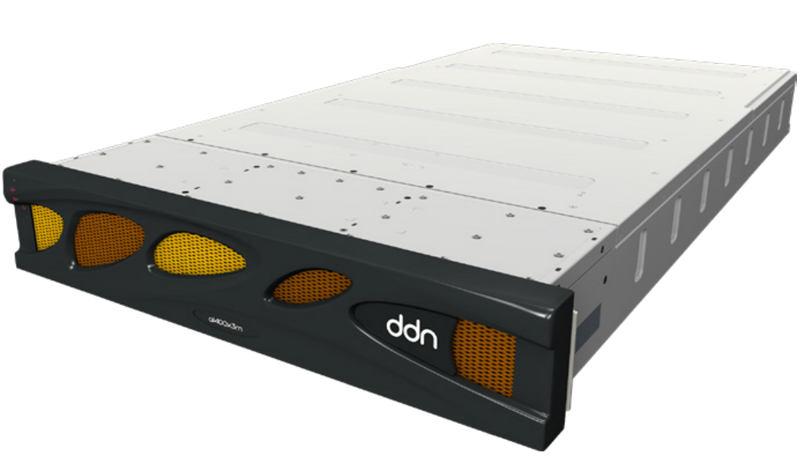
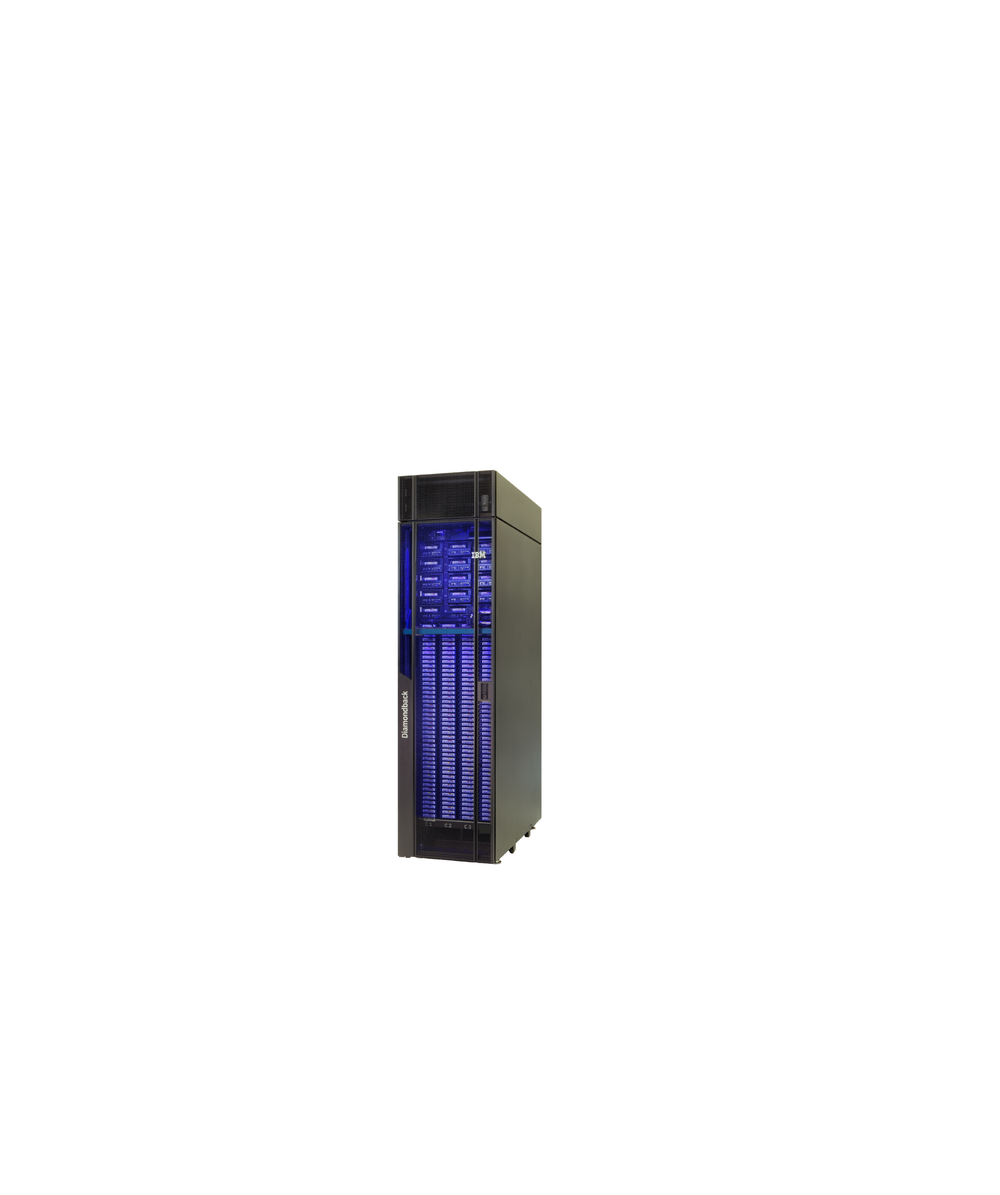
Ready-made EXAScaler system for feeding data into AI calculations.
A data platform for shared access of AI applications to large amounts of information.
Senior storage system for corporate data consolidation.
High-performance storage for shared data services.
Storage system for enterprise applications and data preparation.
Compact all flash storage area with scalability.
All flash system for smaller corporate parks.
Entry level of the AFF A family for performance data.
Scalable file storage for unstructured data.
Enterprise storage for applications and virtual environments.
Initial storage direction for consistent server infrastructure.
Senior direction of storage systems for mission-critical enterprise applications.
Object storage for large amounts of unstructured data.
Target backup storage system.
Modular tape library for backup and long-term storage.
Scalable tape library for large archives.
Dense belt system for large-scale cold storage.
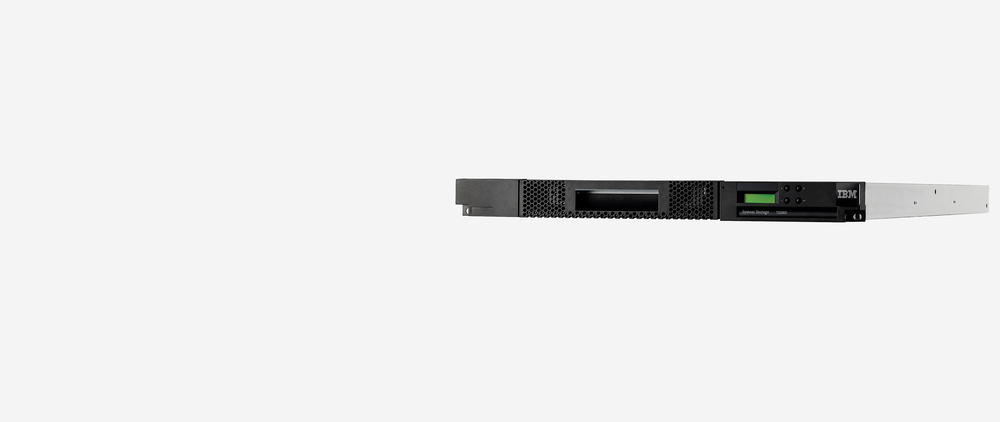
Compact autoloader for small archival tasks.
A series of drives for high-speed exchange of working data.
Drives for tasks sensitive to access latency.
Capacitive SSDs for high read volume arrays.
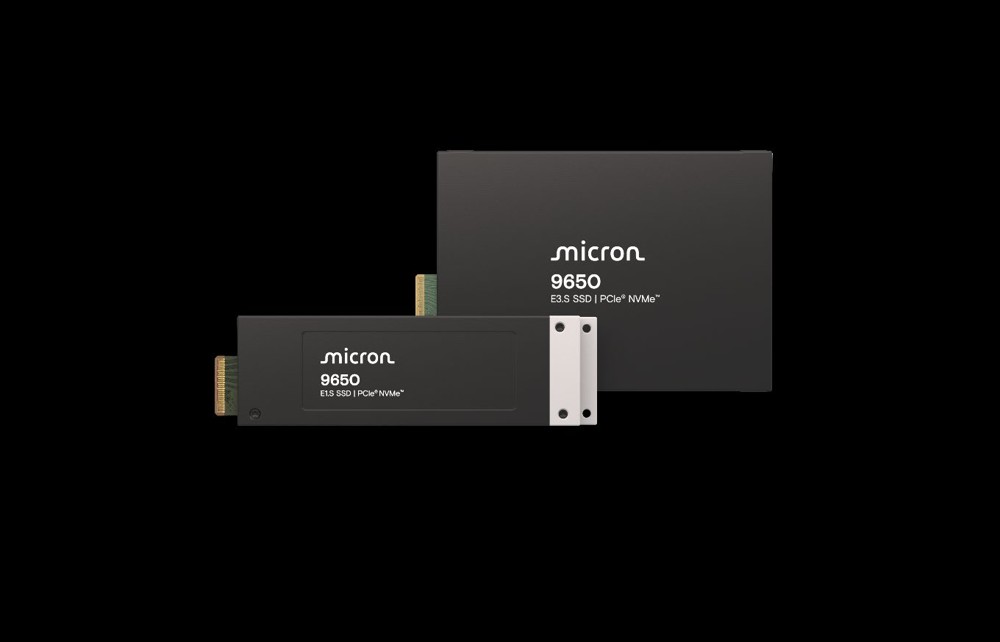
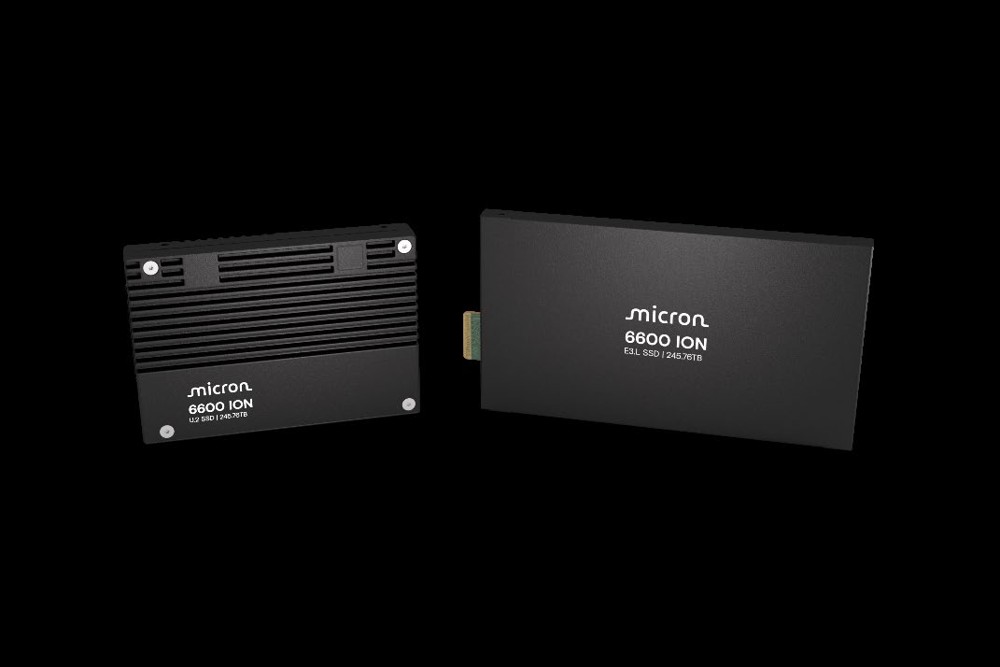
Next-generation server SSD for high-speed platforms.
Storage for work data and enterprise applications.
Server drive for compatible PCIe Gen5 platforms.
SSD for dense storage of mostly readable arrays.
SSD for high-performance server worksets.
Family of corporate HDDs for capacitive storage.
Capacitive HDD for systems that support SMR features.
Network adapter for scaling AI computing.
A family of server adapters for a consistent high-speed fabric.
New generation of adapters for compatible AI platforms.
DPU for infrastructure network and service functions.
Ethernet network platform for AI clusters.
InfiniBand platform for large-scale computing.
Switch for the spine leaf of a data center factory.
Switch for a dedicated server fleet management network.
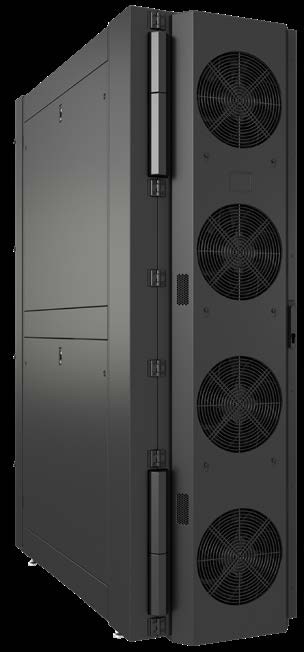
Liquid cooling unit with heat transfer to air.
In-rack fluid circuit separation unit.
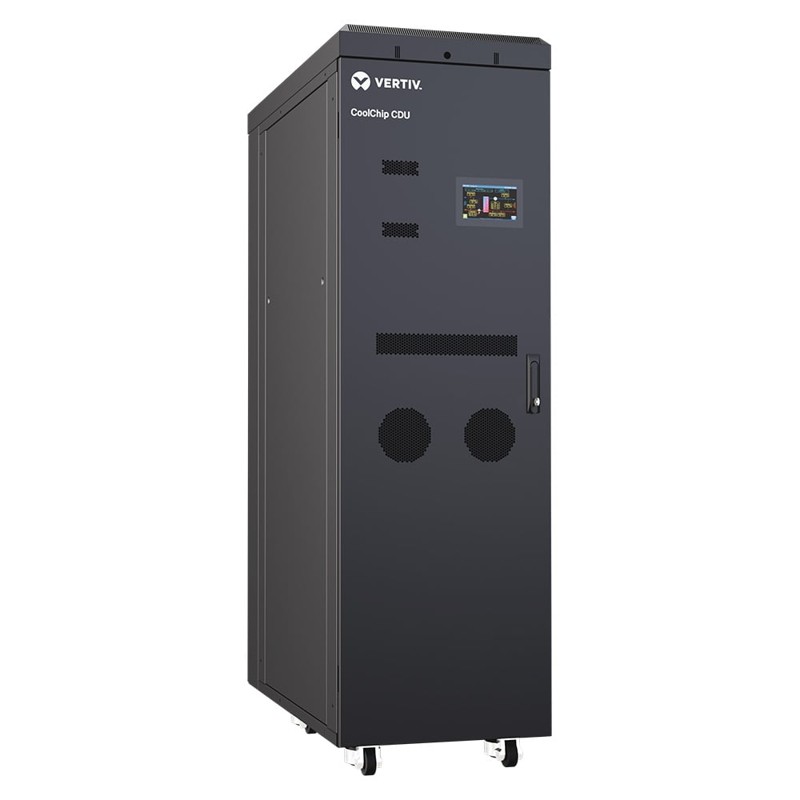
Inter-row coolant distribution unit for a group of racks.
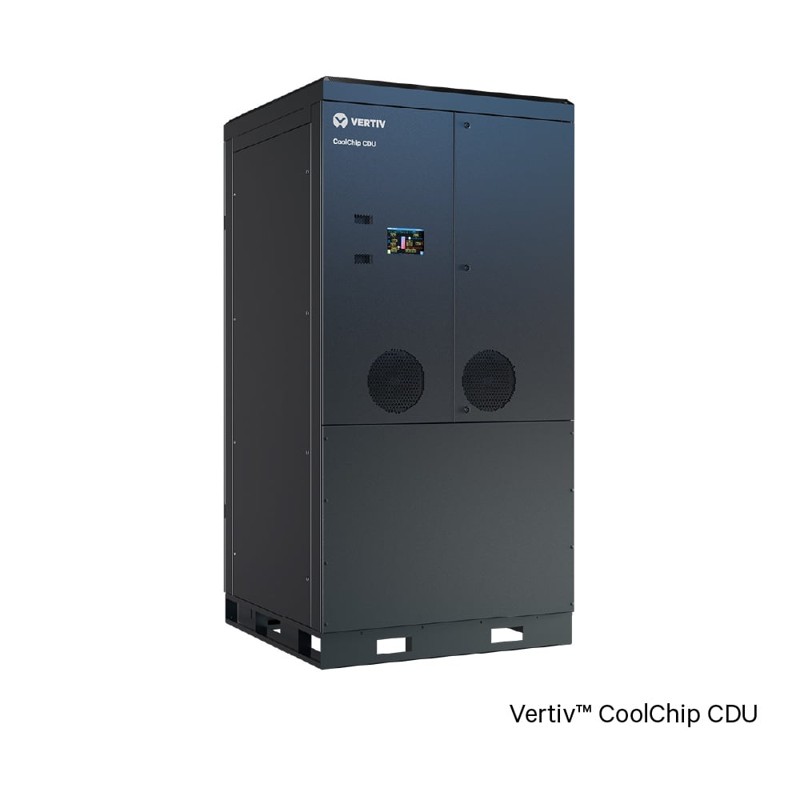
Heat removal unit for large fluid infrastructure.
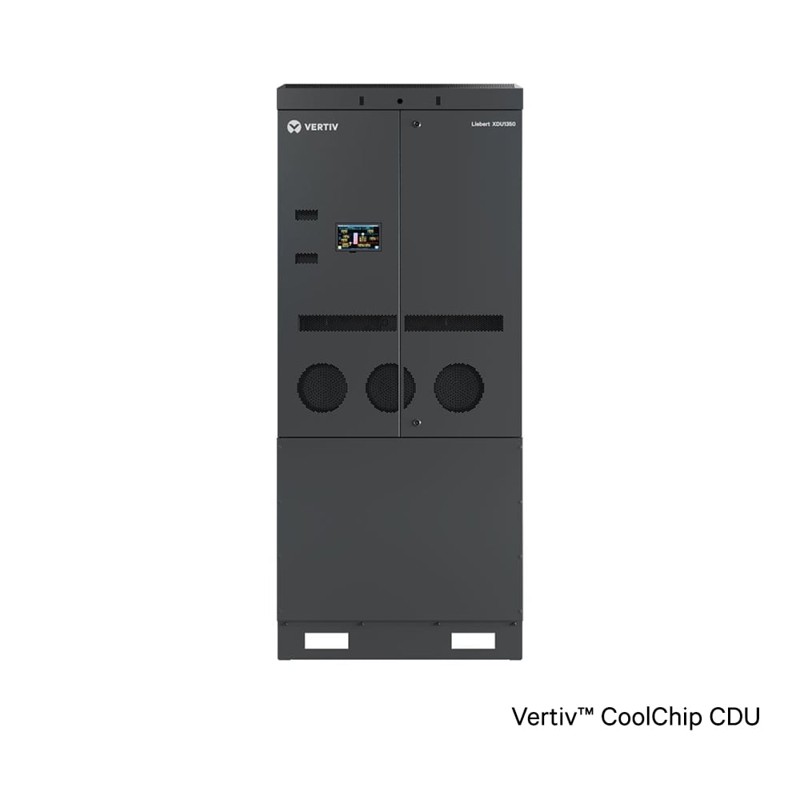
Coolant distribution unit for large-scale AI halls.
Family of three-phase UPSs for design power redundancy.
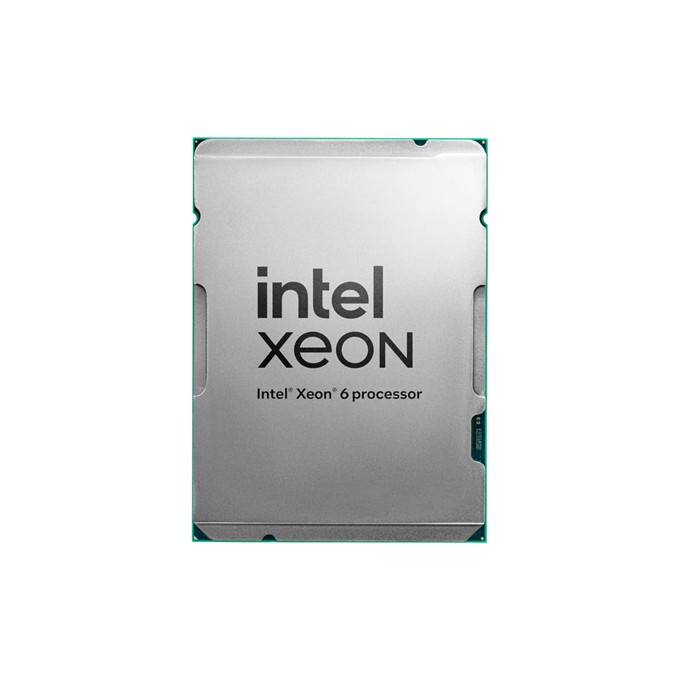
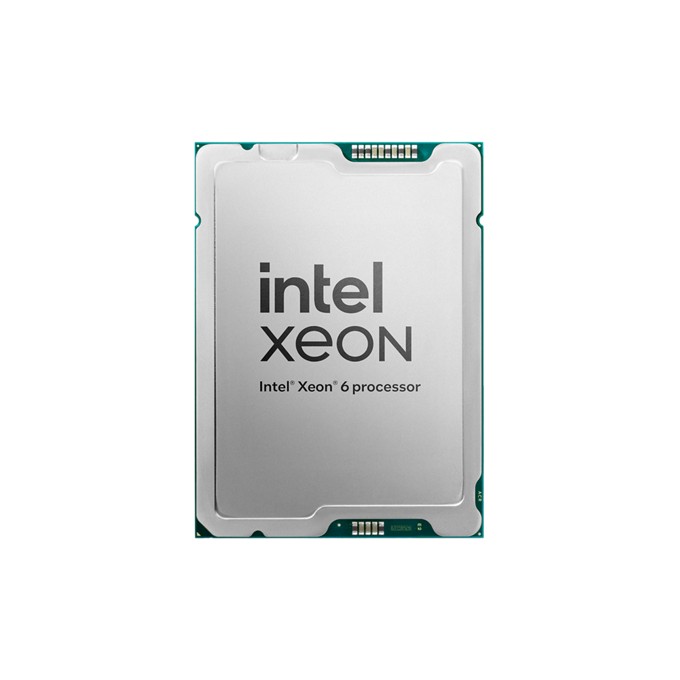
Server processors for compatible computing platforms.
New generation of server CPUs for new compatible platforms.
CPU family for workloads with core performance requirements.
A family of CPUs for scalable parallel enterprise workloads.
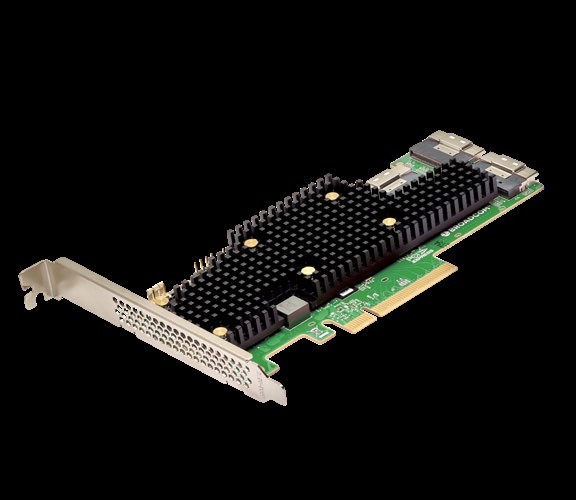
Family of RAID and eHBA adapters for the disk subsystem.
A platform for running a corporate language model within the customer’s infrastructure. Selected by working context and number of simultaneous requests.
Combines calculations for document generation, embedding and search. These functions can be hosted on different nodes.
Configuration for adapting ready-made models to your own data. The amount of GPU memory is checked using the selected training method.
GPU platform for changing all model weights. Requires calculation of optimizer state memory and exchange between accelerators.
Computing node for long training runs. The composition is selected along with the network, storage and target training period.
A platform for models with time-consuming generation and tool calls. The selection takes into account the growth of output tokens and background CPU services.
A node for image recognition and video stream analysis. The configuration depends on the decoding, frame size and models used.
GPU system for diffusion and multimodal models. Working memory and processing time are assessed at a specific resolution.
Speech recognition and synthesis platform. Selected for languages, audio length and number of simultaneously served streams.
Accelerated calculation node for scientific and engineering applications. FP64 support is evaluated separately from low-fidelity AI capabilities.
A complex of several GPU nodes with a computer network and shared access to data. The composition is calculated using the model parallelism method.
A pool of servers for horizontally servicing requests. Scaling is determined by routing, model memory, and target latency.
Design architecture with different GPU pools for context processing and generation. The effect is tested on a specific request flow.
A coherent set of compute, storage, networking, and management for on-premises AI services. Licenses and implementation are highlighted in the specification.
Complex for collaboration of several research groups. Needs job queues and quota management.
A set of units and engineering components consistent with the capabilities of the existing site. Consumption and residual air heat are calculated before purchase.
Computing platform for tasks that fit into the resources of one CPU. The choice takes into account licensing and the sufficiency of PCIe lanes.
A universal platform with expanded memory and I/O resources. For sensitive applications, the placement of data relative to NUMA nodes is taken into account.
A system for large shared working sets and memory-intensive applications. The economy is compared to cluster architecture.
Configuration to host virtual machines with an agreed upon fault tolerance margin. The size is determined by the operating set and peak loads.
Node for applications with frequent data changes and latency sensitivity. The selection includes log, backup and restore.
Platform for preparing datasets, transformations and analytical queries. The balance of CPU, RAM and disks depends on the processing pipeline.
Configuration for applications that keep the working set in RAM. A reserve is required for data growth and service restoration.
A node for containerized applications and AI services. Control planes and workloads are scheduled with different fault tolerance requirements.
Service node for orchestration, monitoring and scheduler. Control fault tolerance must match the acceptable computational downtime.
Compute node for compiling, testing and preparing containers. Selected based on parallelism of assemblies and cache size.
Standalone server platform for small sites without a dedicated rack. Placement takes into account noise, access and backup arrangements.
Compact node for processing data close to the source. The choice depends on temperatures, installation depth and service availability.
Platform for sites with special mechanical and climatic conditions. The degree of protection is confirmed by the documentation of the specific product.
Unit for telecommunications cabinets and limited installation areas. Depth is checked with cables and minimum bending radii.
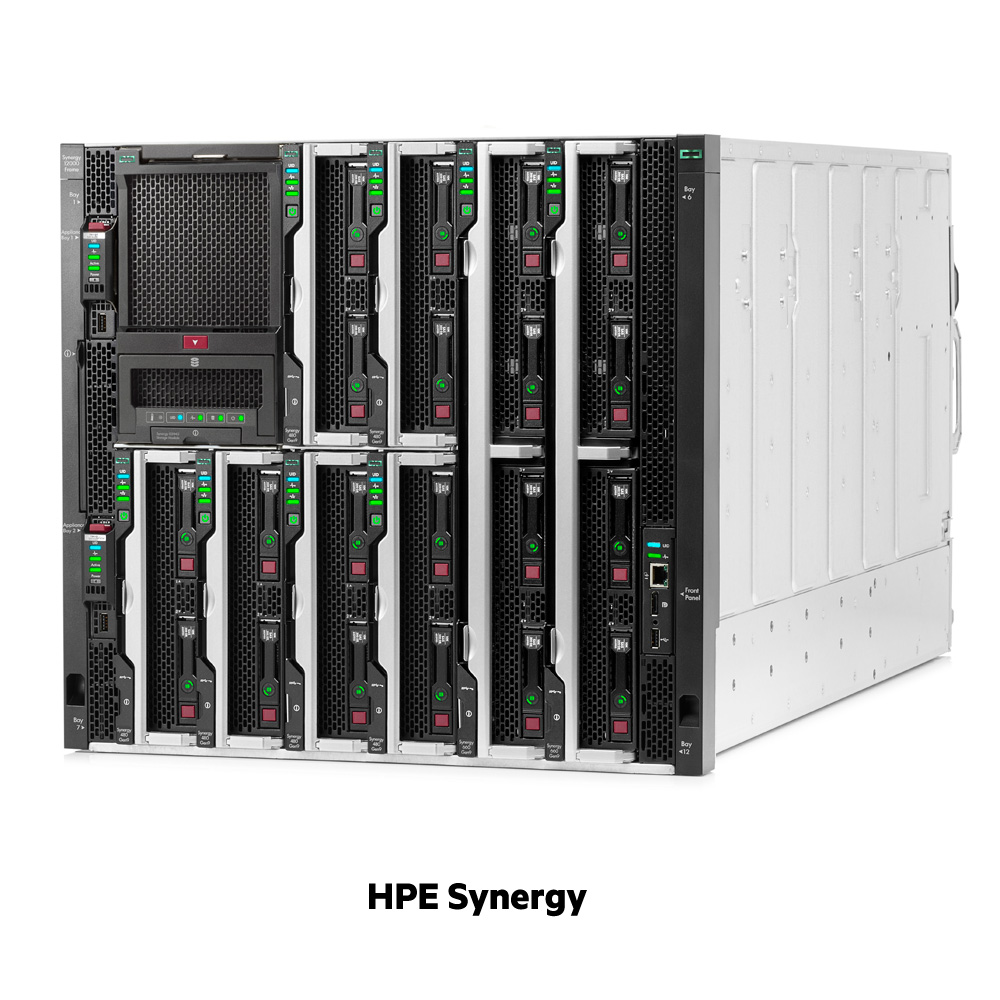
A common platform for several computing nodes with shared engineering subsystems. The composition of resources and failure domains are checked separately.
Compute module for compatible chassis. In addition to the module, interconnections, power, and management of a specific ecosystem will be required.
Open rack architecture module for a consistent power and installation ecosystem. Not a direct replacement for a 19" server.
A high-disk platform for software-defined storage. Selection includes network interfaces, HBAs and data protection.
A common file system for simultaneous reading of datasets by several computing nodes. Tested based on actual file size and number of clients.
File storage on SSD for shared access to work data. The choice depends on the metadata, protocols, and latency requirements.
Volume storage for server applications. Planning includes access paths, multipassing, and controller redundancy.
Scalable object storage for datasets and archives. API and immutability functions are tested in a specific implementation.
A system combining capacitive and fast media. Suitable for loads where the balance of useful capacity and cost is important.
A set of servers with a software storage system. Design redundancy and upgrades based on failure domains, not just the number of disks.
Share NVMe resources through a consistent fabric. Requires compatibility of transport, initiators and targets.
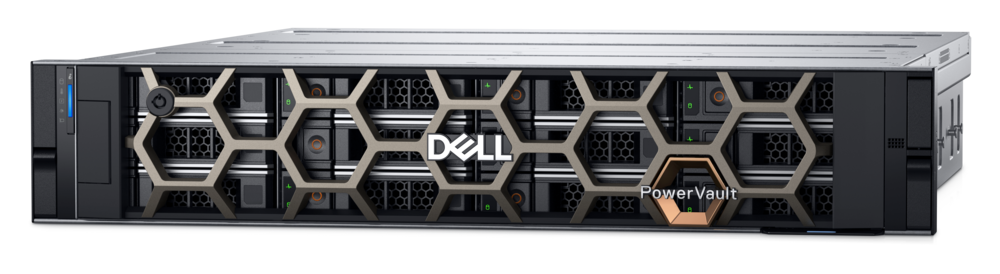
External drive enclosure for a compatible server or storage system. The available topology depends on the controller and interface.
Flash housing to increase the capacity of a compatible system. It cannot be considered an independent storage system without control components.
System for periodically recording learning status. The size is determined by the peak write flow and startup recovery time.
A set of calculations, media and software tools for data recovery. Target RPOs and RTOs determine the architecture and capacity.
A system with separate access rights and immutability mechanisms. Logical isolation and physical air gap are framed as different options.
Automated tape storage for long retention times. Planning takes into account the recovery window and drive generation compatibility.
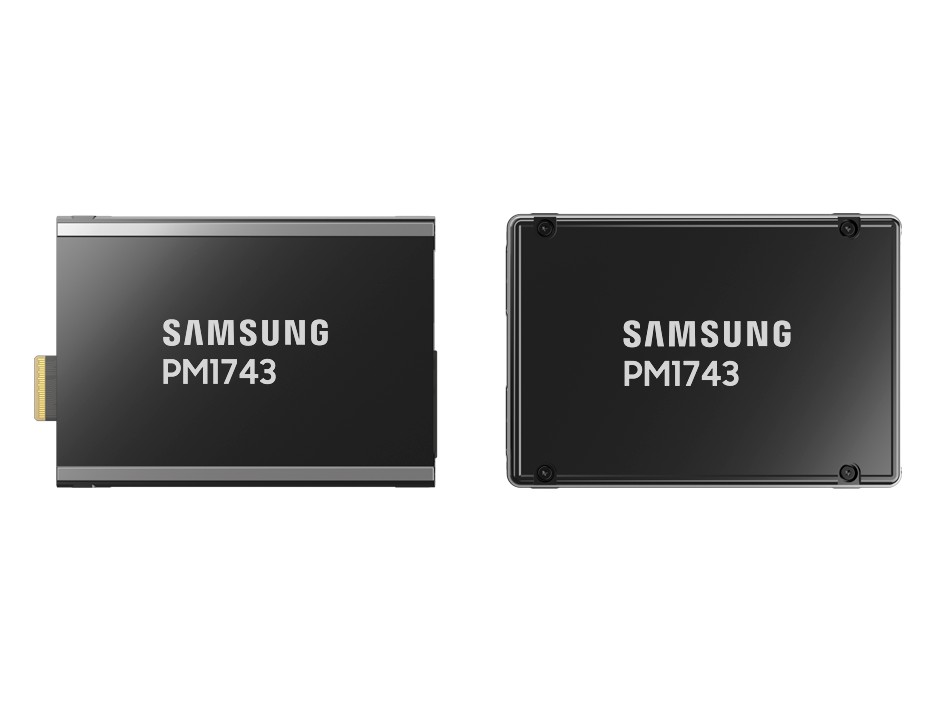
Server drives in 2.5-inch cases for compatible backplane. External similarity of a connector does not guarantee electrical compatibility.
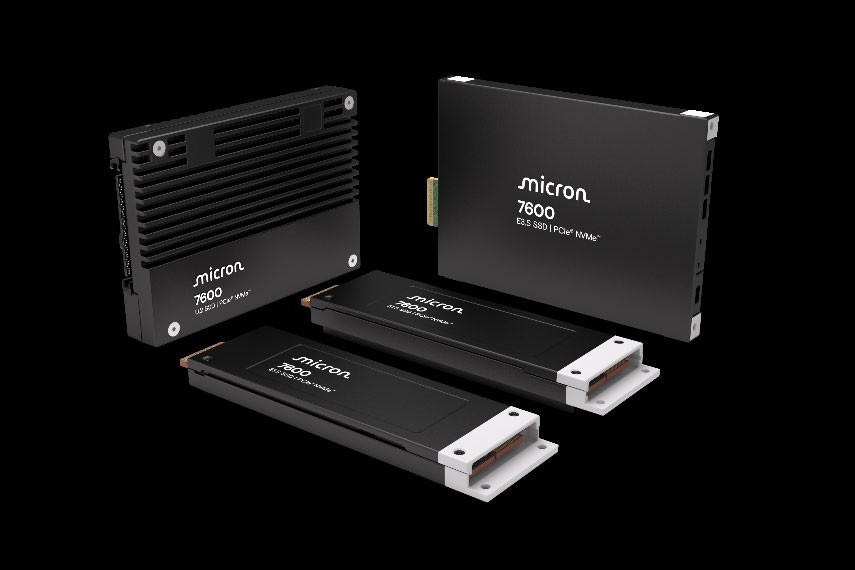
Compact server SSDs for dense placement. The thickness, heat sink and basket must match the platform.
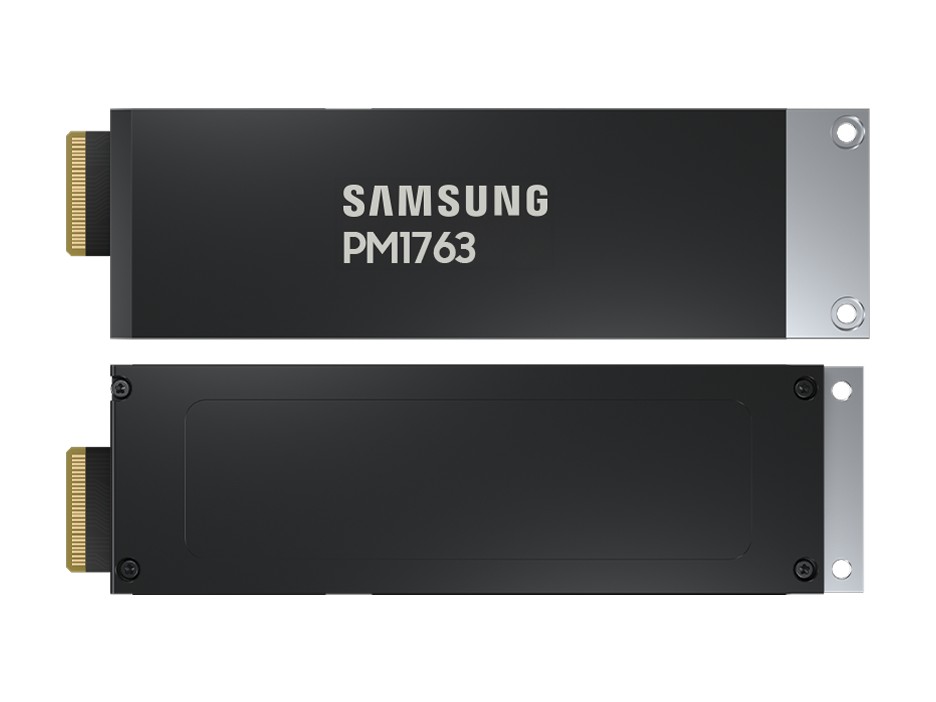
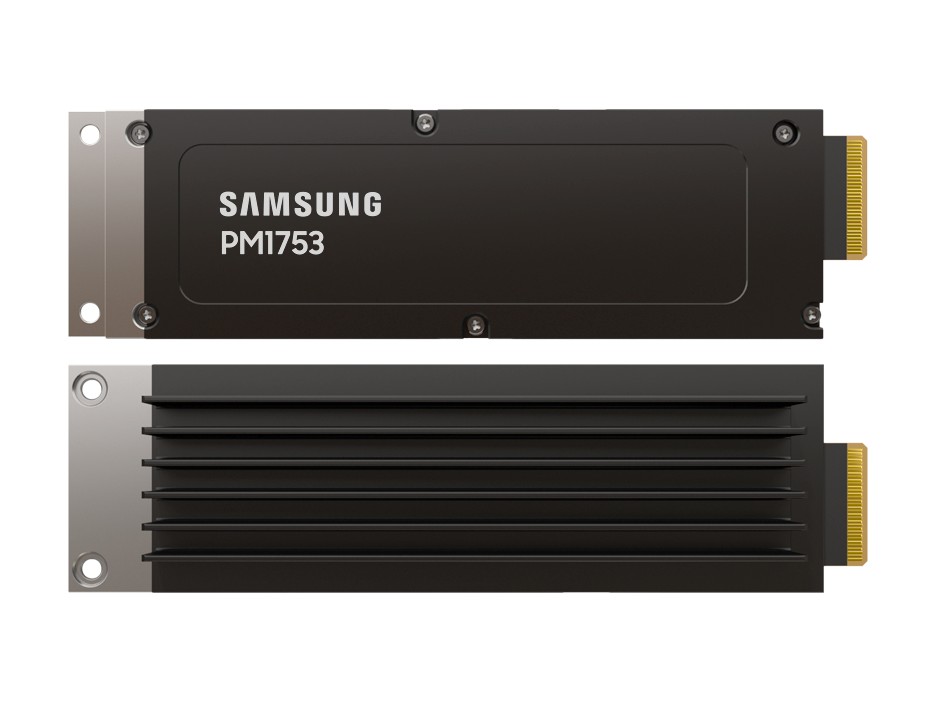
Server drives in EDSFF format. Selection requires coordination of the housing design, power and supported basket.
A storage device for the boot or auxiliary subsystem. Redundancy, resource, and platform support are important for reliable downloading.
Solid state drive for compatible SAS subsystems. Dual port capability varies by model and controller.
Server SSD for moderate workloads and consistent boot tasks. Power loss protection and latency stability must be considered.
Direction of drives for working sets with visible recording. The final choice is determined by the resource of a particular series.
Capacitive SSDs for storing mostly readable data. The permissible entry and speed after filling are checked using the model.
Hard drives for capacitive storage with conventional recording organization. Selected according to operating mode and controller support.
Capacitive HDDs with tiled recording for specially supported systems. Do not replace CMR disks without checking the software environment.
Hardware encrypted media. Key management and recovery procedures must be consistent with the server and customer policy.
Media for compatible generation of tape drives. Uncompressed capacity and guaranteed storage conditions are indicated separately.
Switch connecting the server rack to the data center network. Selected by ports, uplinks and required redundancy.
Compute fabric switch for GPU nodes. Port speeds and congestion policies must match the adapters and RDMA load.
Switch connecting leaf nodes in a consistent topology. The configuration is determined by the size of the fabric and the allowed oversubscription.
Switch for a specialized computing factory. Compatibility includes port generation, adapters and control stack.
Server interface for remote memory access over Ethernet. The effect depends on the configuration of the entire network fabric.
Adapter for connecting a node to an InfiniBand fabric. Requires coordination of speed, port format and driver versions.
Network adapter of a special server format. They check the mechanical option, PCIe layout and remote management capabilities.
Programmable infrastructure adapters for offloading service functions. Purpose and licensing vary by platform.
Dedicated network for connecting BMC and engineering equipment. It is planned separately from the user and computing load.
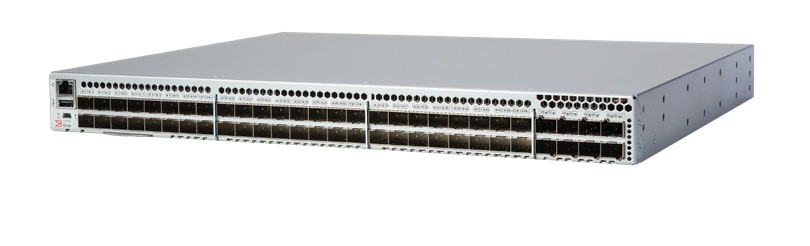
Fiber Channel block storage network switch. Includes active port licenses and compatible transceivers.
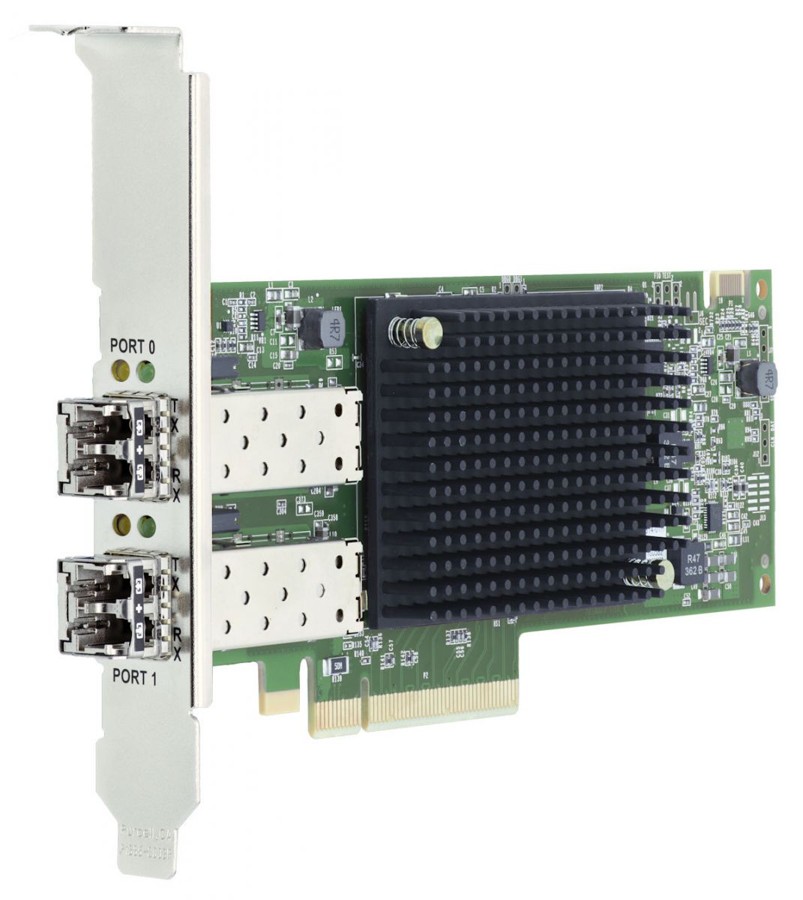
Adapter for connecting the server to Fiber Channel storage system. Requires checking the compatibility matrix of the OS, server and array.
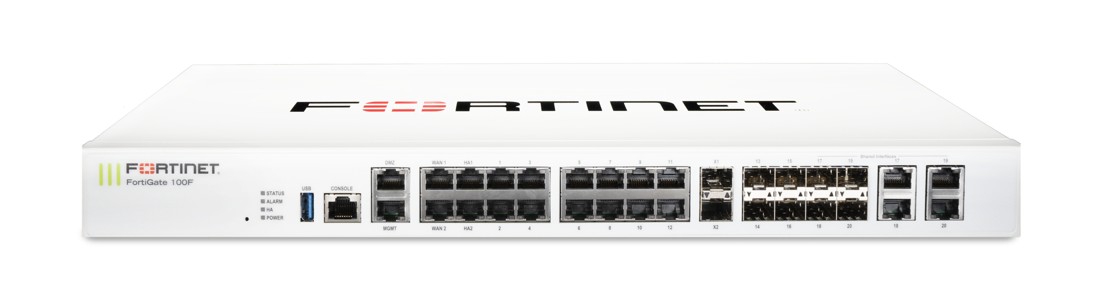
Device for separating infrastructure zones and access control. Performance is assessed with the required protection functions enabled.
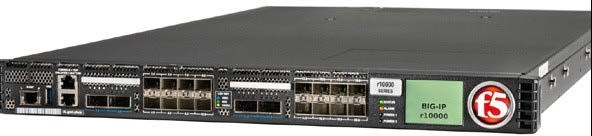
A device or software package for distributing user requests. The selection takes into account streaming responses and long-running connections.
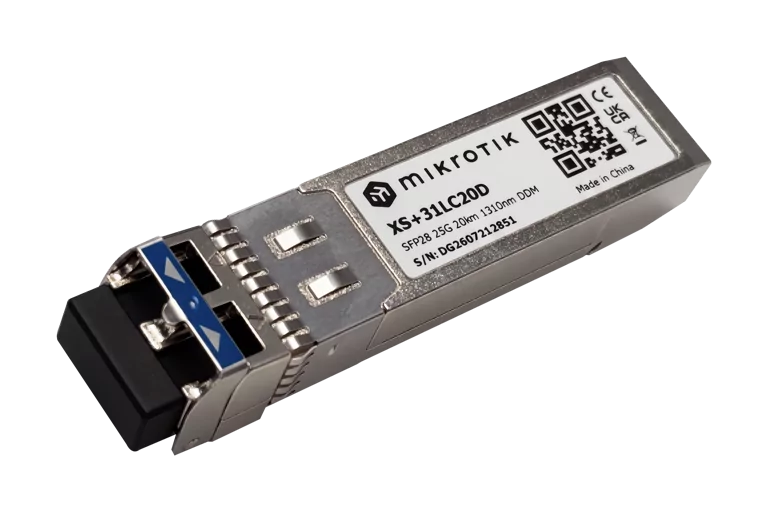
Transceiver for compatible port and optical line. The choice depends on the wavelength, fiber and equipment tolerance.
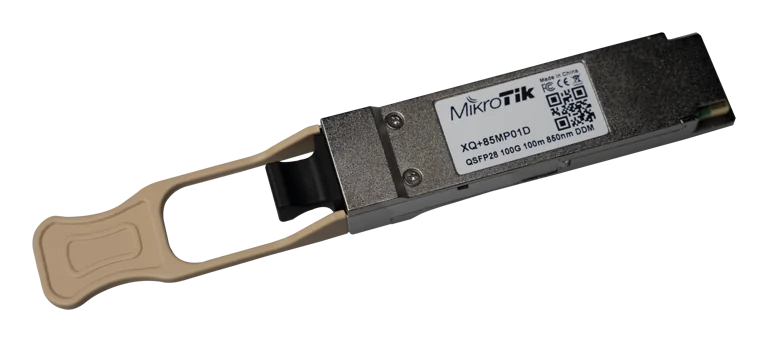
Module for connecting high-speed network lines. The type of optics and branching scheme are recorded in the cable log.
Transceiver for matched speed and number of lines. Compatibility is checked for a specific adapter and switch.
Module with high-speed electrical lines. The shape of the connector itself does not determine the supported protocol.
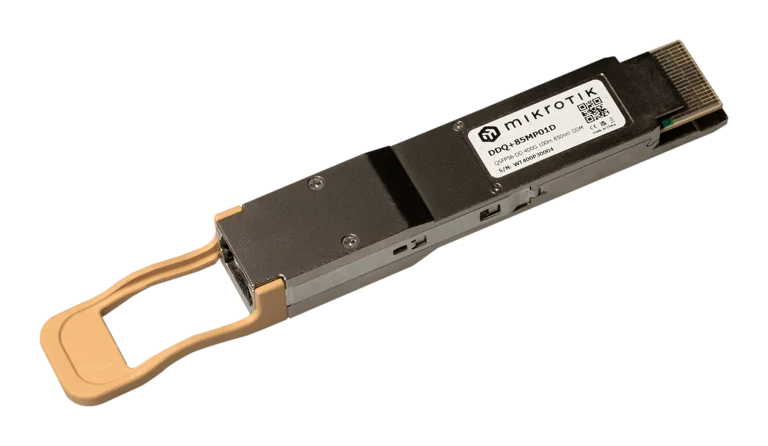
Multi-line transceiver for high density ports. Speed, consumption and cooling must match the host.
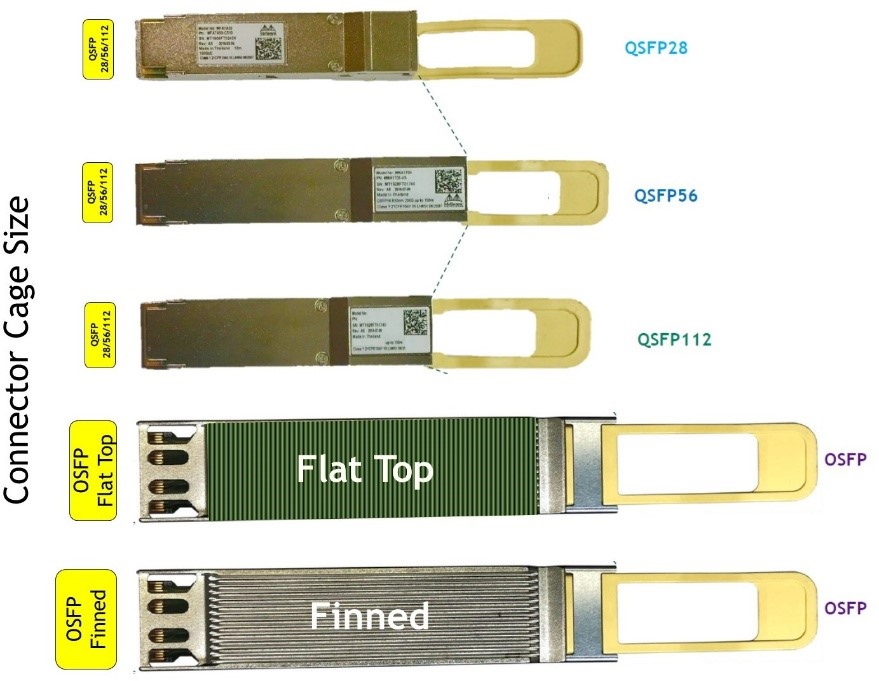
Transceiver for high-speed Ethernet and InfiniBand fabrics. The design of the housing and the cooling radiator are checked separately.
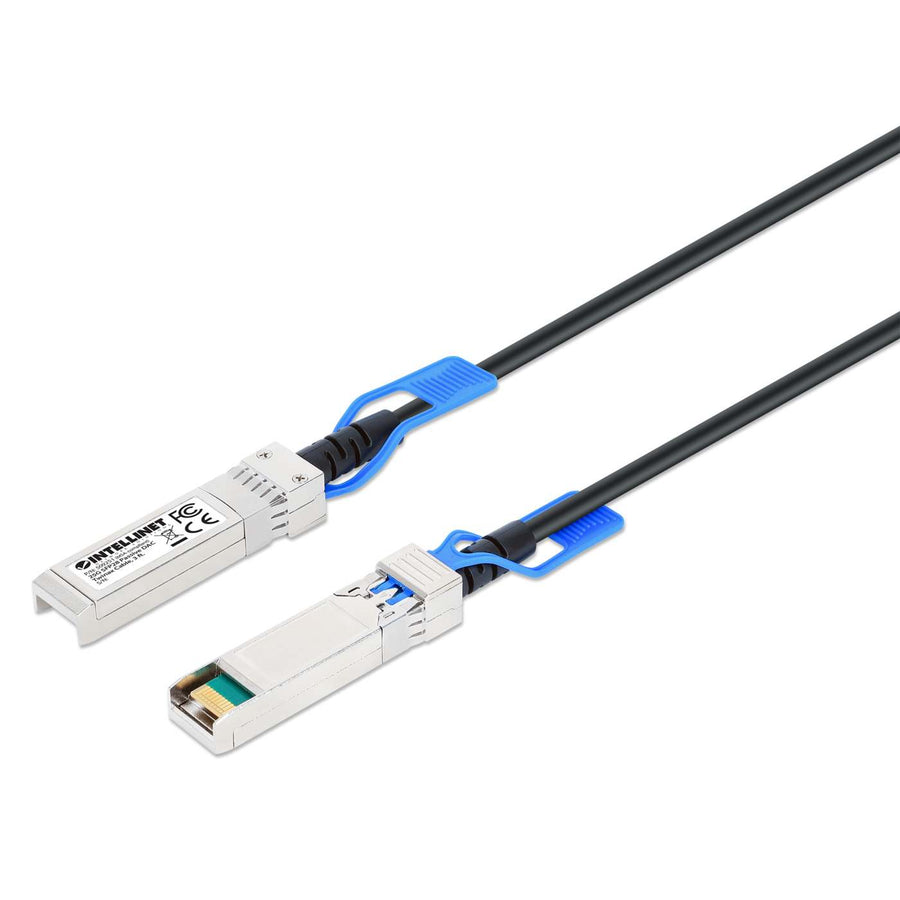
Copper direct connection between adjacent devices. Length and decay limit the speed modes available.
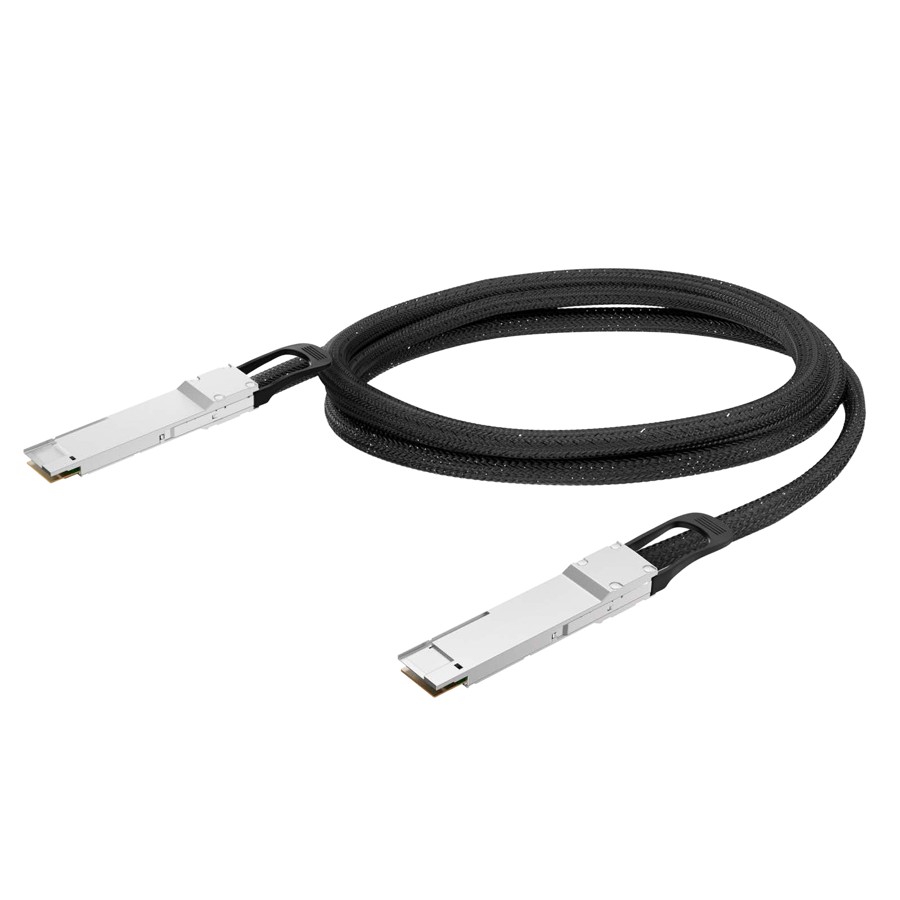
Active electrical connection for matched ports. Compatibility includes power, coding and supported length.
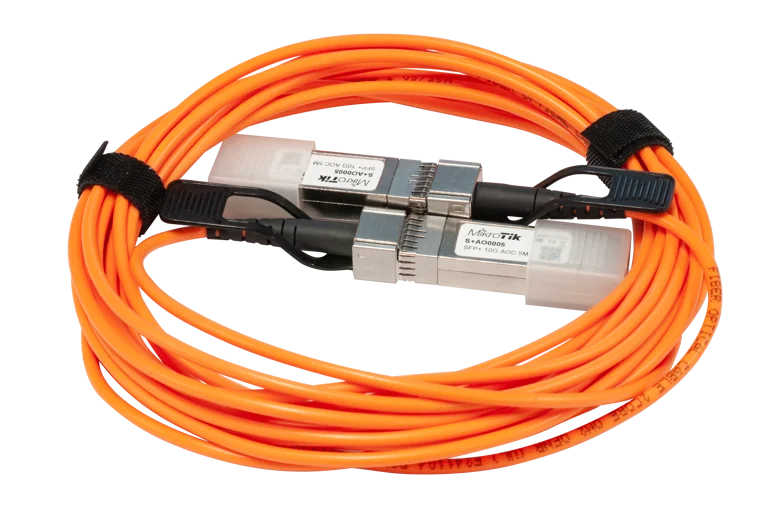
Active optical cable with installed termination modules. The selection takes into account the route and the possibility of replacing an entire line.
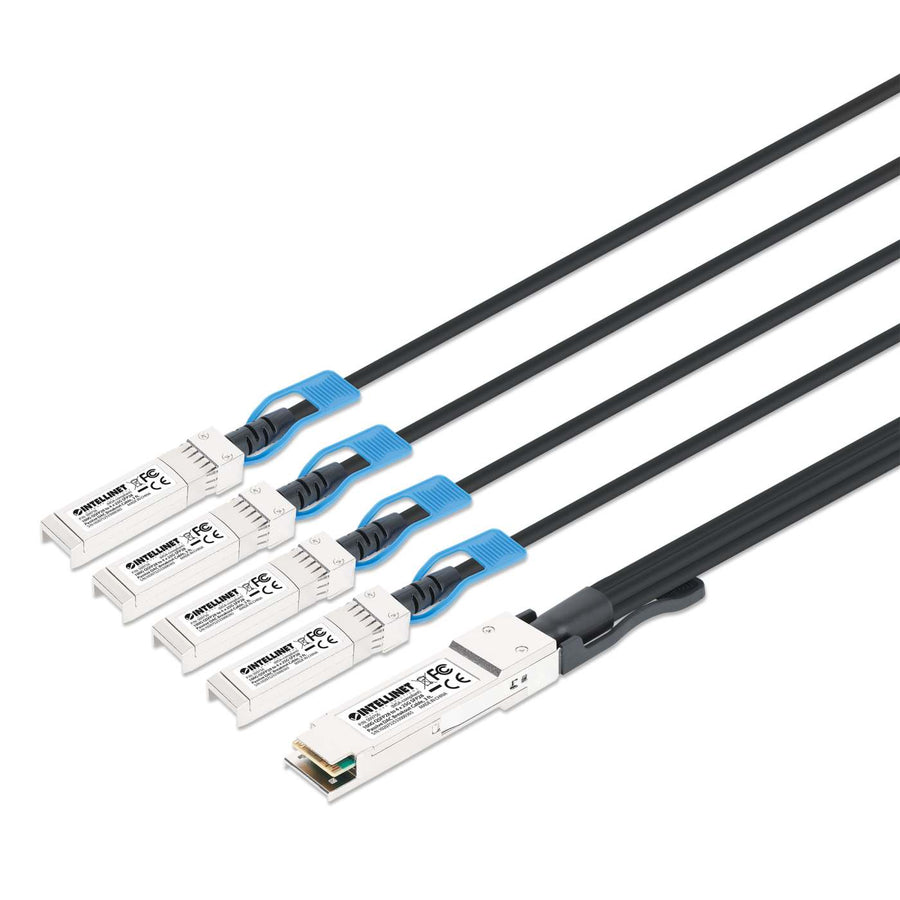
Branching of one high-speed port into several connections. It only works if the desired line layout is supported by both ends.
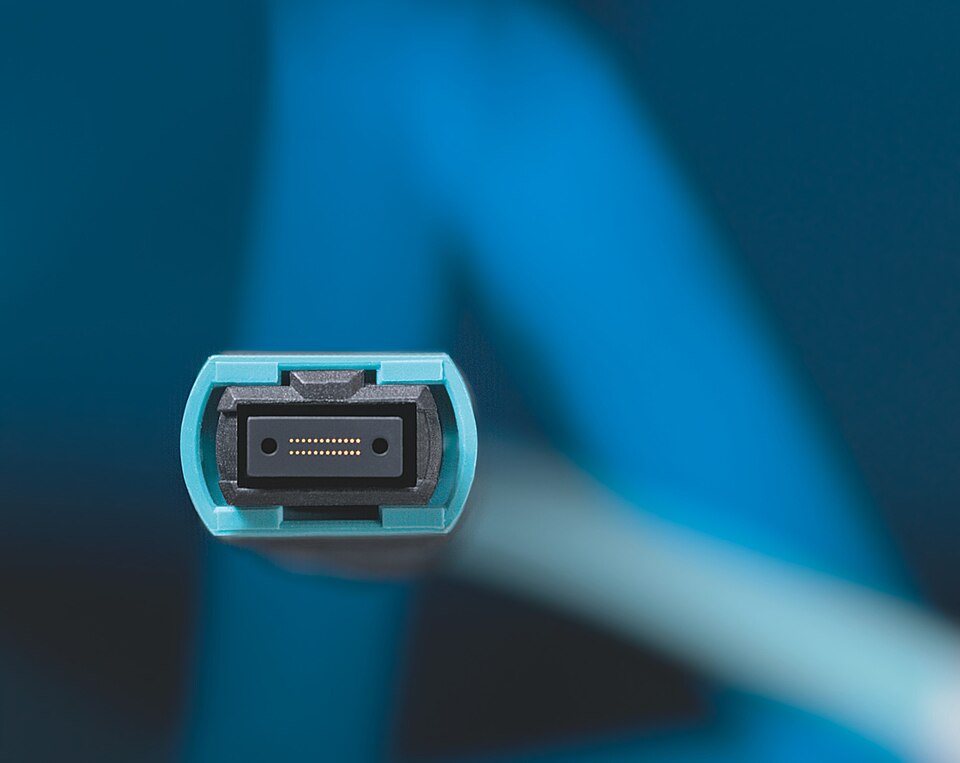
Multi-fiber connection for dense cable infrastructure. Polarity, number of fibers and quality of ends determine the performance of the line.
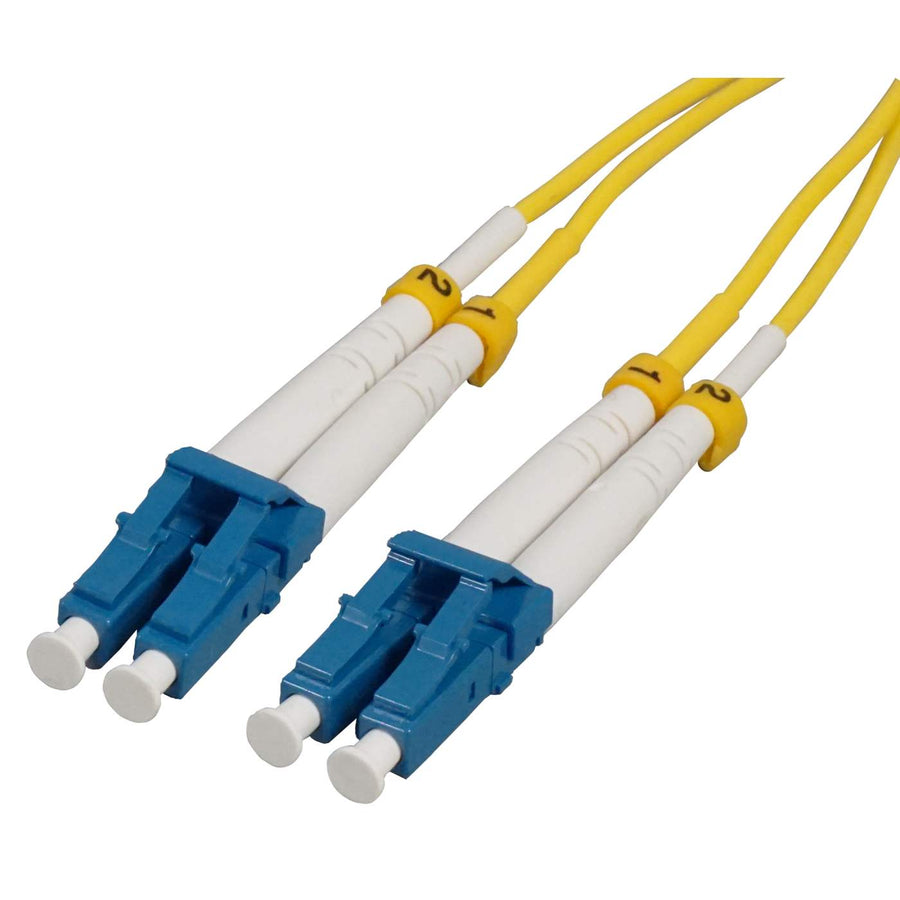
Connecting optical ports to a matched fiber type. The length, marking and route are recorded in the cable documentation.
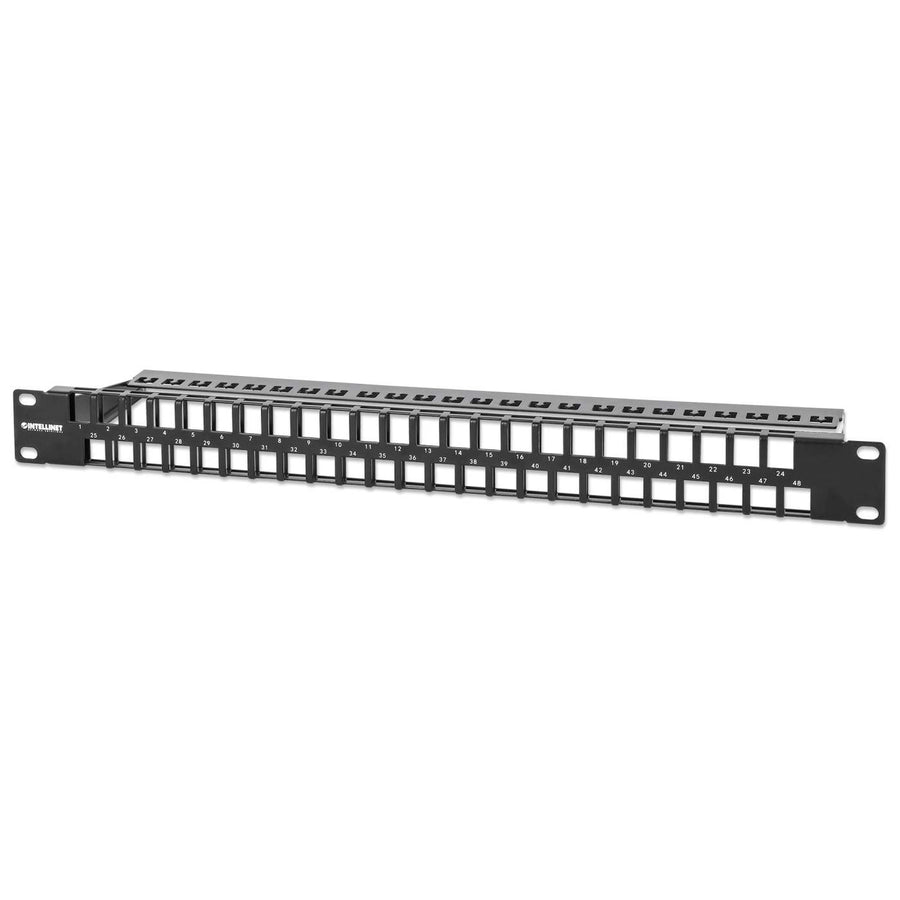
Passive point of organization and reconnection of fibers. The design takes into account the attenuation of all connections along the route.
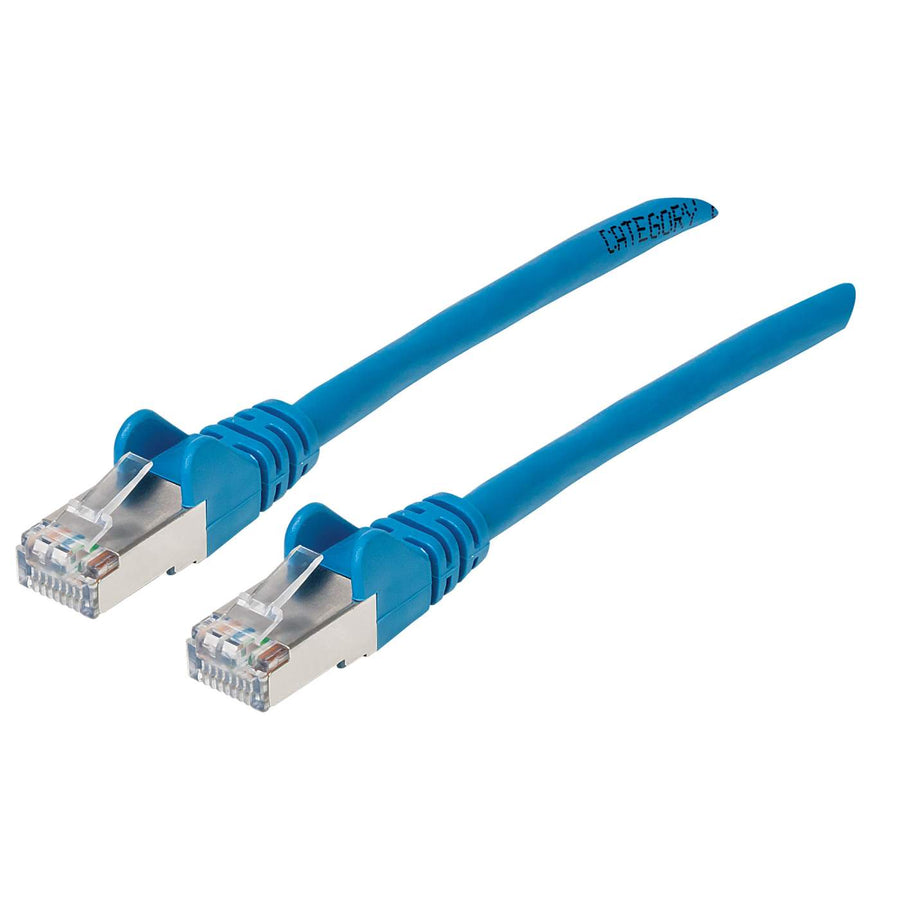
Cables, panels and sockets for service networks and control. The category and length are selected according to the required line standard.
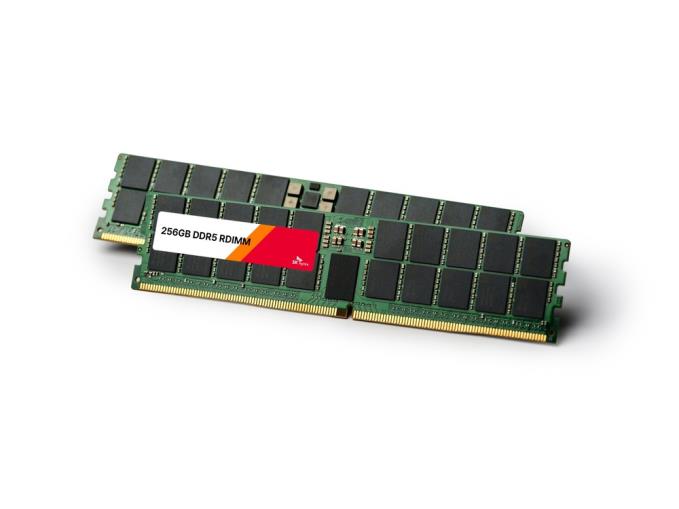
Server RAM for compatible CPUs and motherboards. The frequency depends on the filling of the channels and the number of modules per channel.
Memory for platforms with explicit support for multiplexed DIMMs. Does not install as a universal RDIMM replacement.
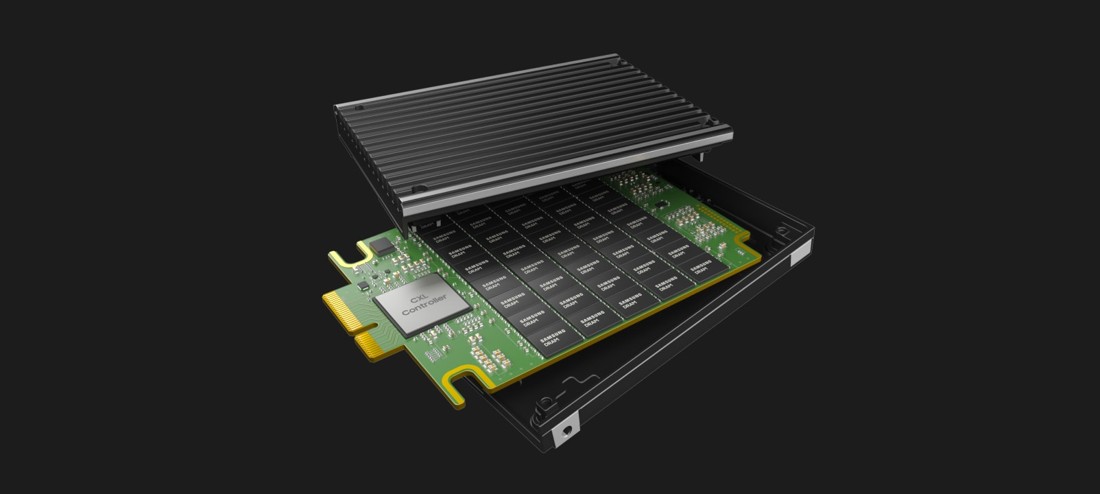
A device to increase available memory for compatible platforms. The usage mode depends on the CPU, BIOS, OS and application.
Adapter for organizing disk arrays. Support for interfaces, cache, and write protection is tested with backplane.
Direct access adapter for drives and external shelves. The preferred mode depends on the software storage system.
Specialized module for mirroring boot drives. Check support for hot swapping and failover.
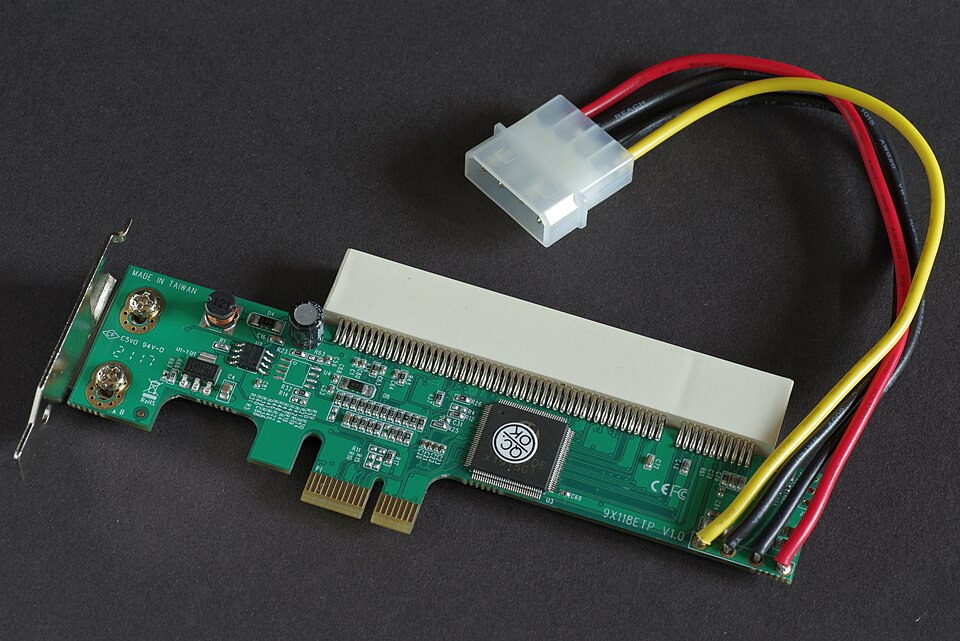
Board for changing the position and layout of expansion slots. The article number must match the case, CPU and set of cards.
Bridge interconnection of supported GPUs. Compatibility is determined by the generation of the accelerator and the distance between the slots.
A kit for installing a GPU into a specific server. May include power, ducting, mountings, and special fans.
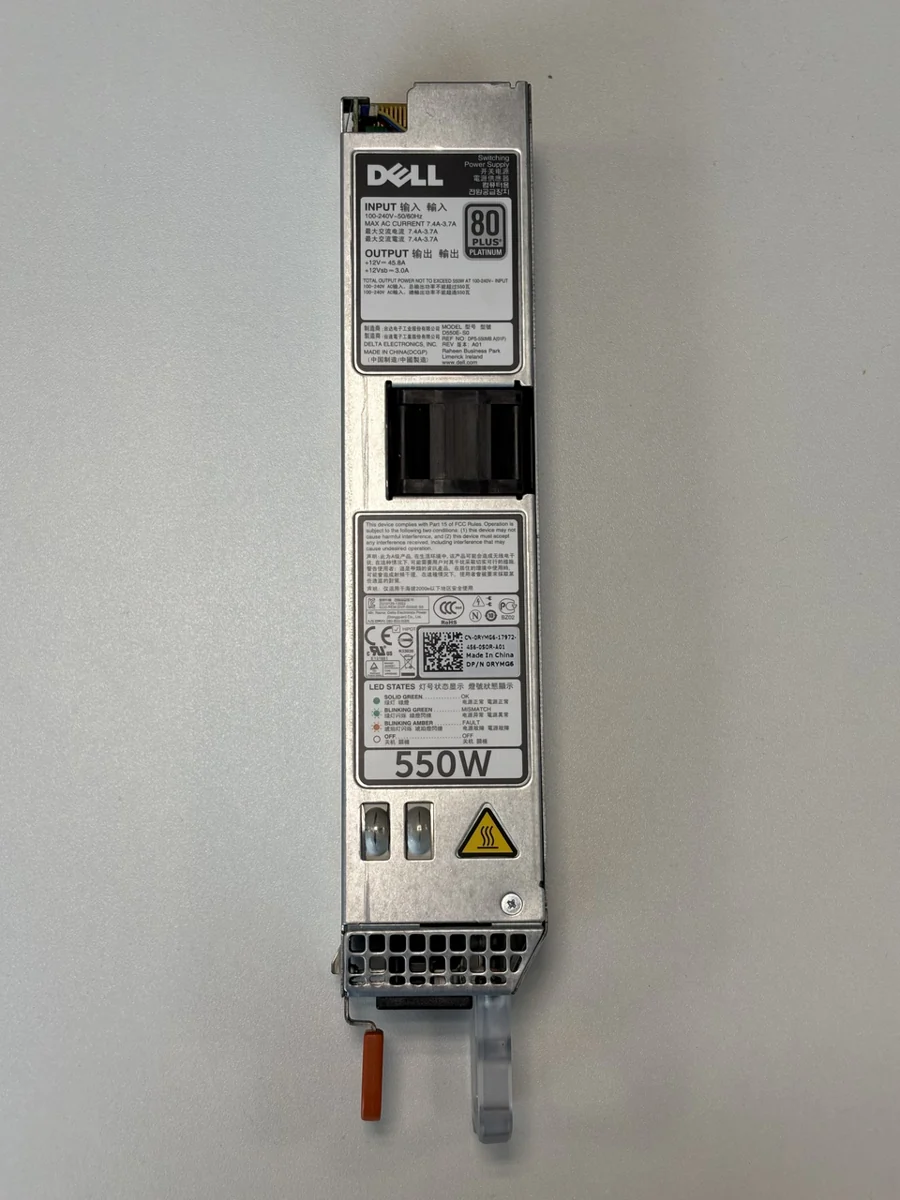
Replacement PSU for a specific platform. The power reserve does not negate the check of the network voltage and redundancy scheme.
Components of a standard server air system. High-performance GPU configurations may require a separate cooling kit.
Components for connecting drives to the server. The bay format does not determine the supported interfaces or number of PCIe lanes.
Installation kit for placement and maintenance of the unit. Check rack depth, server weight, and access to fluid hoses.
Modules for supported platform security mechanisms. Requirements are specified by customer policy and documented compatibility.
A range of matched spare parts to reduce repair time. The composition is determined by probable failures and the timing of obtaining a replacement.
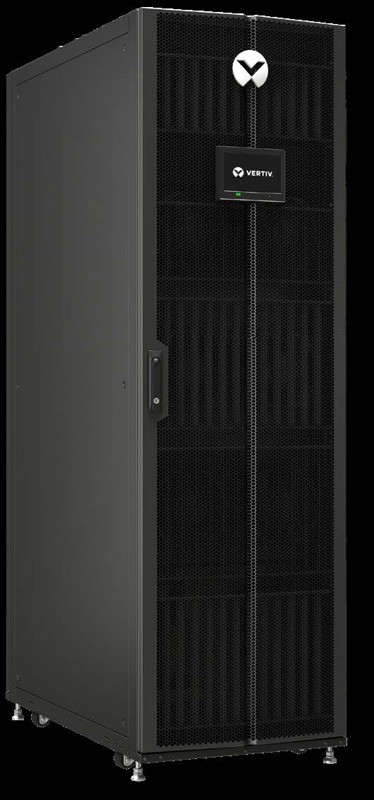
Double conversion backup power supply. Calculated based on active load, autonomy time and battery conditions.
Scalable data center power backup system. The layout and maintenance bypass must be compatible with site requirements.
Energy storage subsystem of a compatible UPS. The selection depends on the autonomy time, temperature and battery life.
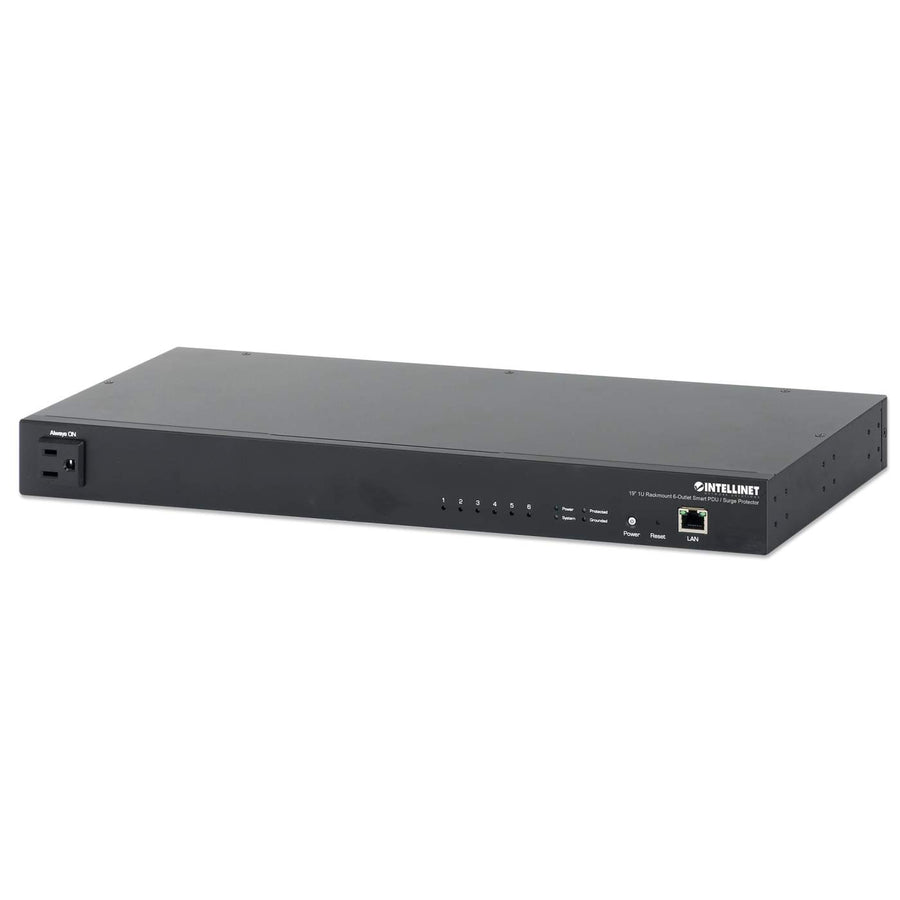
Power distributor with load sensing. Connectors and branch limits must correspond to the actual connection diagram of the servers.
Distributor with remote controlled outputs. The access policy must prevent accidental shutdown of critical nodes.
Open rack general power subsystem. Check node compatibility, bus voltage and redundancy circuit.
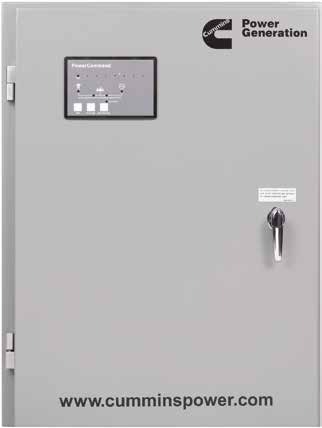
Switching device between power sources. Switching times and selectivity are adjusted to the load and power supply design.
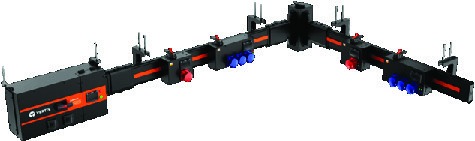
Power distribution system along a row of racks. Installation and protection are carried out according to the engineering design of the site.
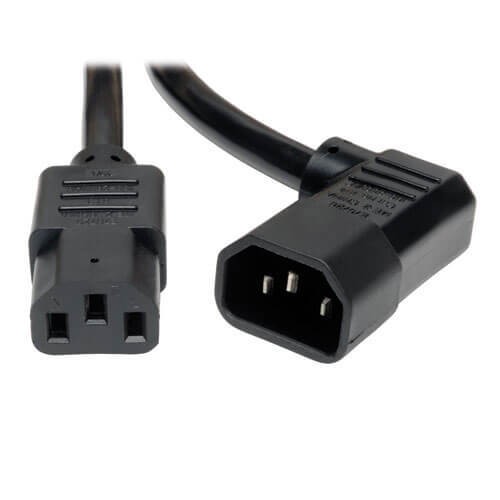
Cable assemblies for matched PSU and PDU inputs. The permissible current and type of clamping are checked for each connection.
Backup energy source for long outages. The selection takes into account startup, transients and interaction with the UPS.
Unit for separating the server and external liquid circuits. The selection depends on the temperature pressure, flow rate and required redundancy.
Unit for dissipating heat from the server circuit into the room air. Its use maintains the appropriate thermal load for cooling the hall.
Coolant distribution manifold for server nodes. The design is coordinated with the circuit materials, pressure and service plan.
Components for connecting fluid units. Fluid type, pressure and absence of leaks are confirmed by the requirements of the system manufacturer.
Fluid detection sensors and controllers in rack and utility areas. The system's response is determined by the agreed upon emergency scenario.
Heat exchanger for removing server heat at the outlet of the rack. Does not replace checking temperatures and air flow inside equipment.
Cooling device next to server racks. Efficiency depends on air flow and insulation of corridors.
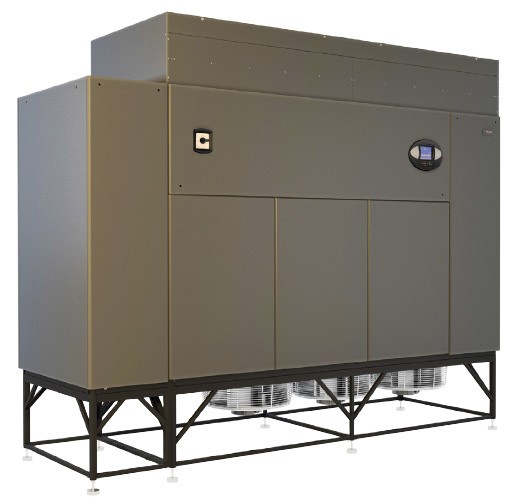
System for maintaining server room air parameters. The type of cold source and operating modes are determined by the site design.
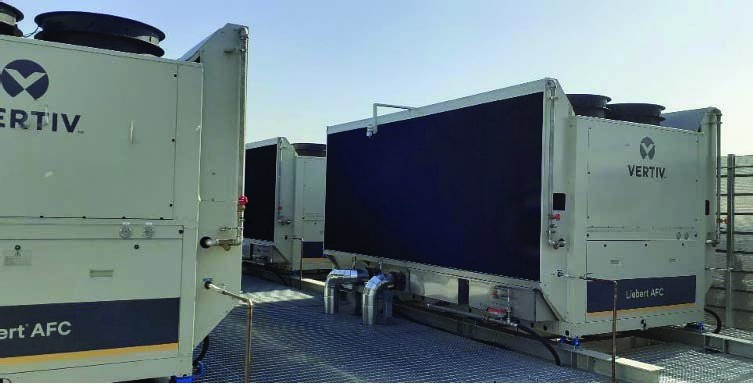
External heat removal system from liquid infrastructure. Productivity is calculated based on climatic conditions and operating temperatures.
Coolant circulation and preparation subsystem. Flow, pressure and chemical compatibility must meet the requirements of the CDU and servers.
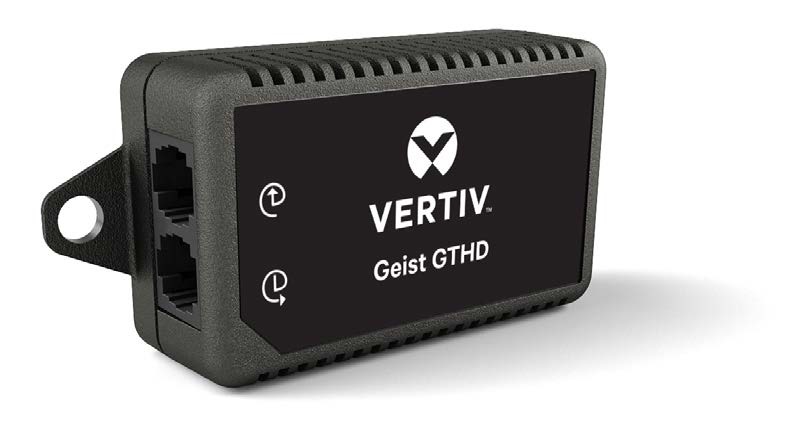
Sensors for equipment operating conditions in rooms and racks. The values are used for warnings and evaluation of cooling modes.
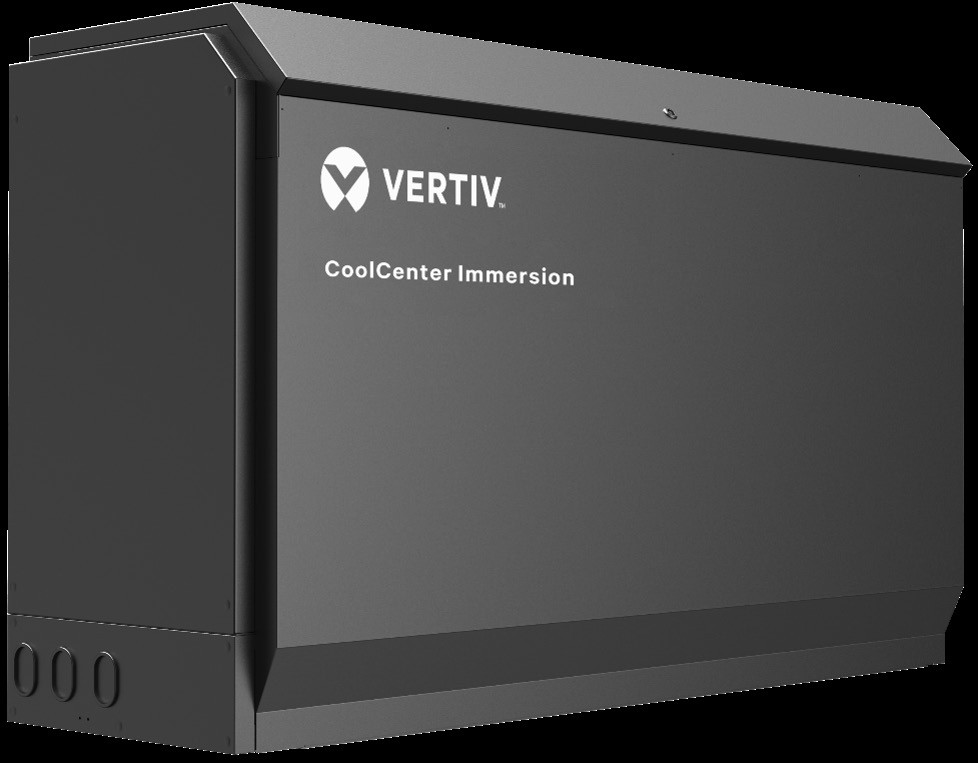
A specialized solution that involves immersing equipment in a dielectric liquid. Applicable only with confirmed compatibility and warranty conditions.
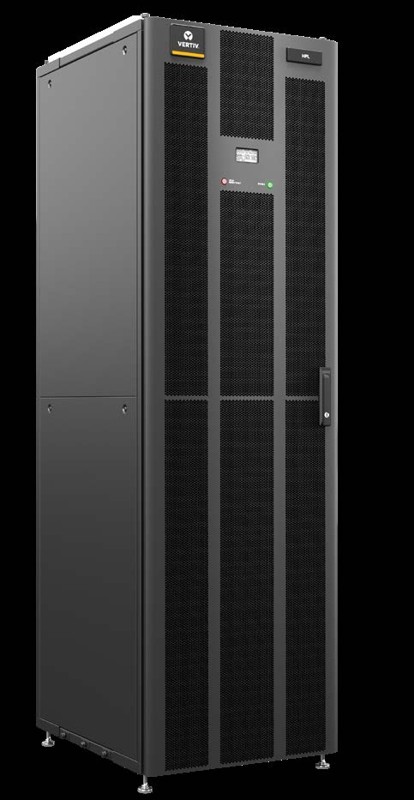
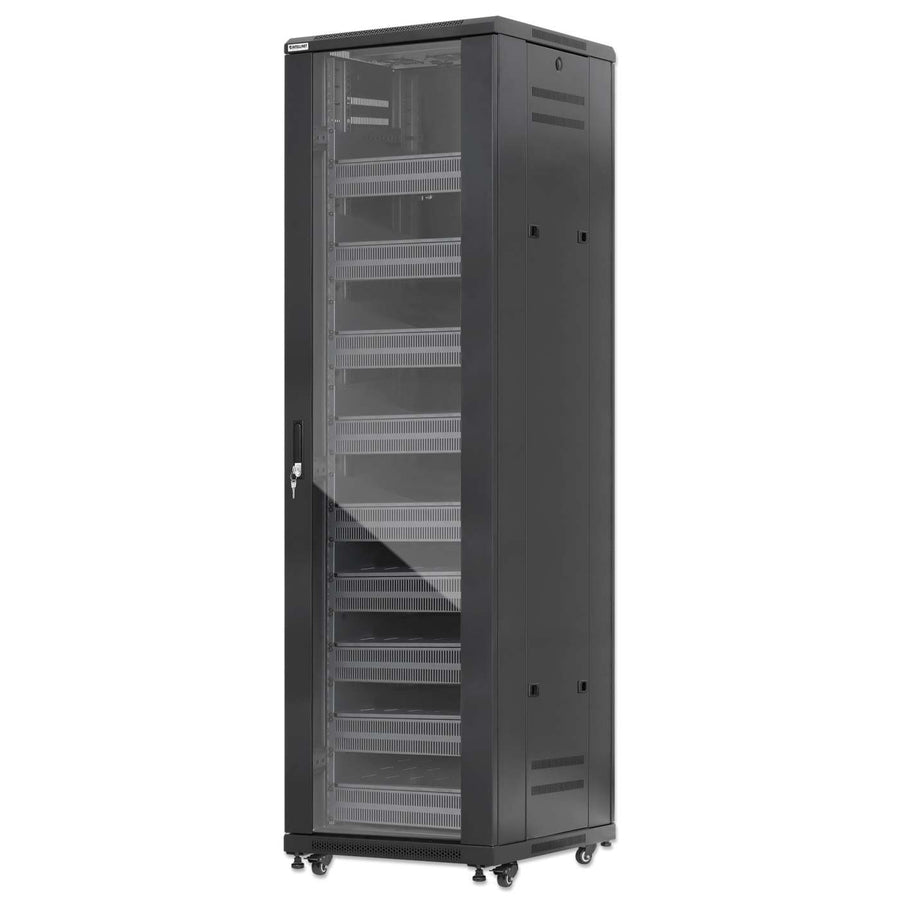
Enclosed mounting structure for server and network equipment. Check the useful depth and load when servicing heavy units.
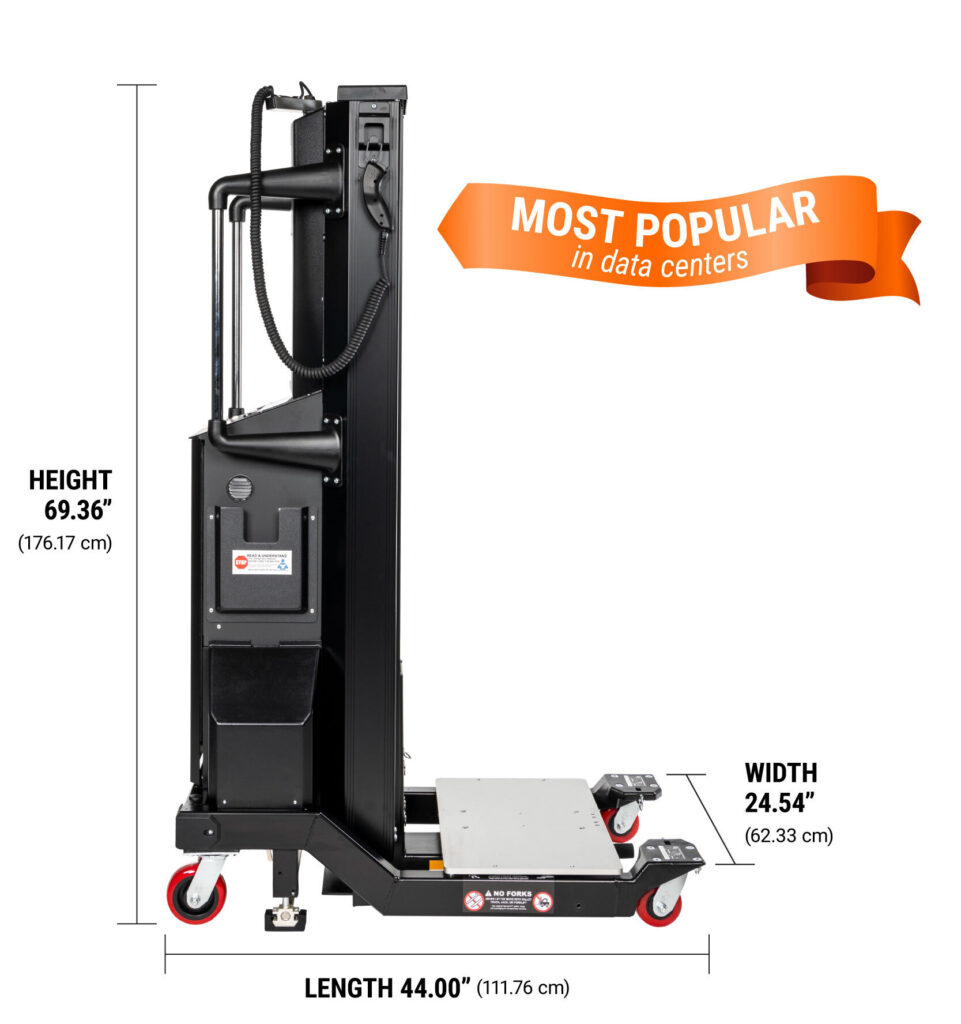
Mounting system for heavy computing nodes. Requires verification of the weight, stability and ability to safely install the server.
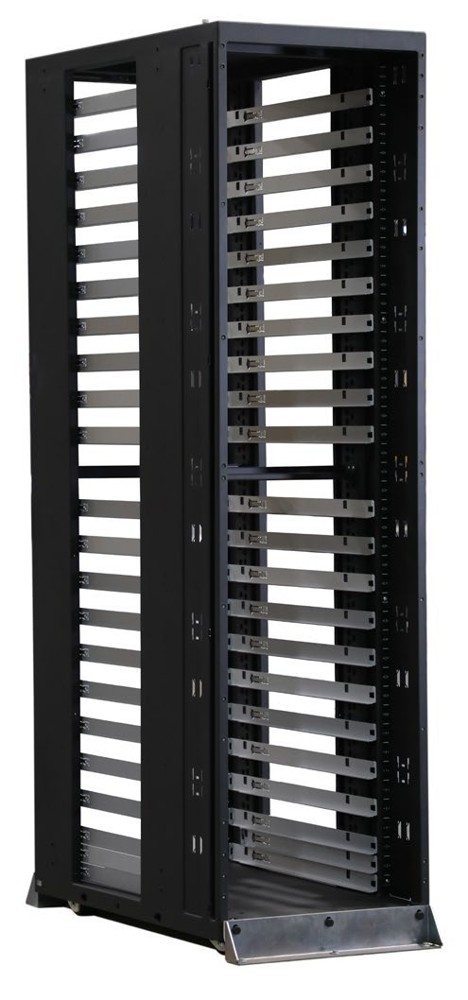
Rack for compatible open power and compute architecture. Uses its own mechanical and strength requirements.
Set for organizing air flows for server row. The selection takes into account fire automatics and safe access.
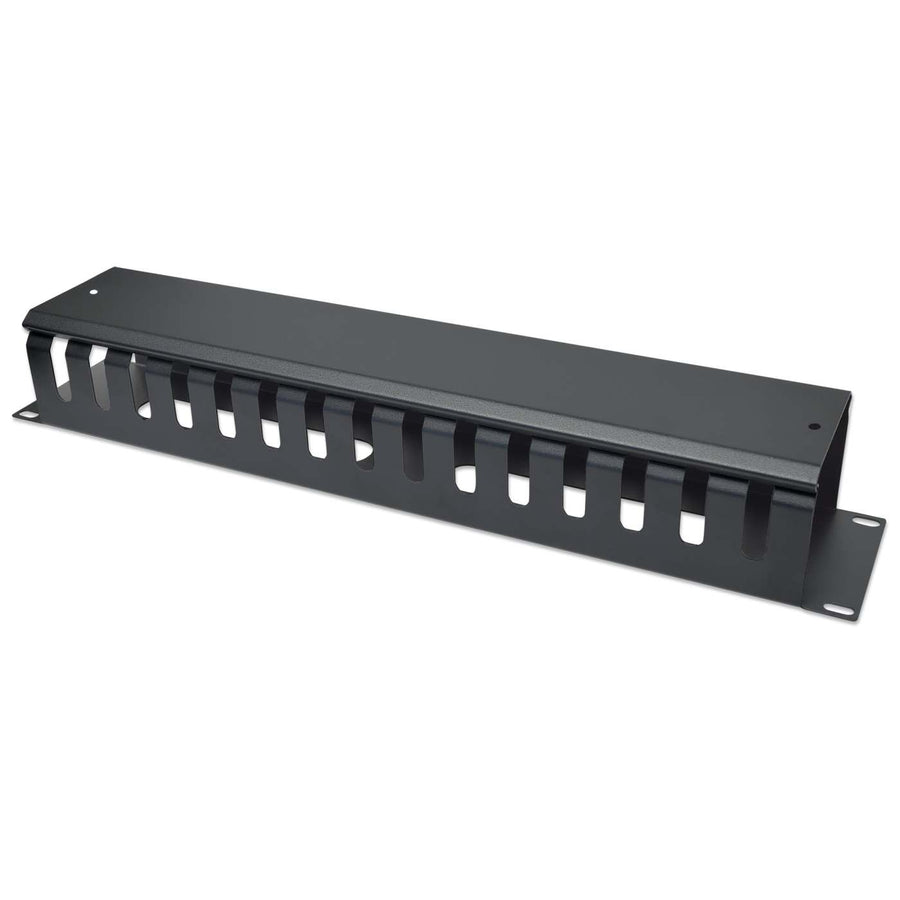
Means for routing and unloading cables inside the rack and above the rows. Bend radii are especially important for optics and power assemblies.
Elements for limiting parasitic air flows. They are selected based on available units and cable passage locations.
Cabinet for placing calculations on distributed sites. Climate, noise and physical access determine the composition of the performance.
A set of engineering and installation subsystems for equipment placement. The package requires a separate construction and engineering project.
Locks and controllers for registering access to equipment. Integration depends on the customer's security policy.
Controller for temperature, humidity, door opening and leakage sensors. Alert channels are agreed upon with the operational team.
A tool for remote access to the console of several devices. Used according to customer requirements together with a secure control network.
Equipment for safely mounting heavy servers into a rack. Selected by unit weight, height and working space.
Software options for remote server management. Console, virtual media, and API capabilities vary by license and model.
Tools for inventory, updating and monitoring the status of platforms. Support for heterogeneous equipment is checked using the manufacturer's matrix.
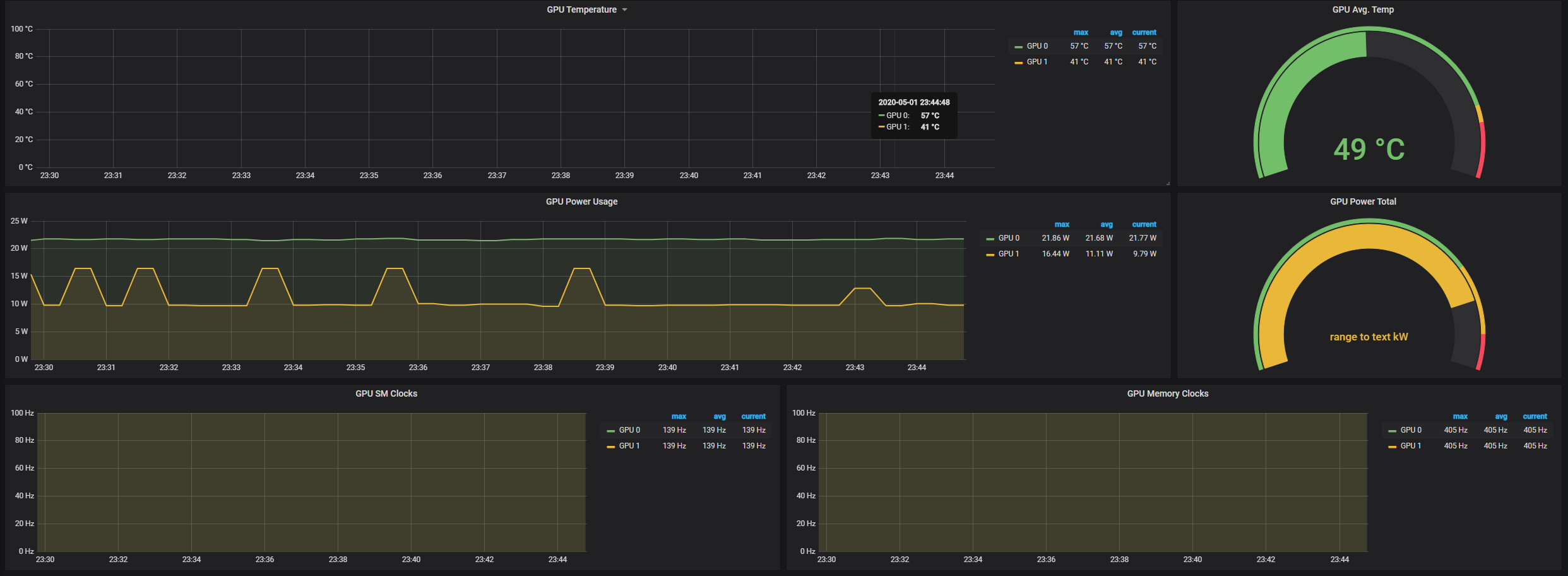
Software components for monitoring accelerators and AI services. A set of metrics should help identify downtime, overheating, and low memory.
A software system for distributing resources between tasks and teams. Quotas, priorities, and isolation are designed for use.
Consistent drivers, libraries and model execution services. Compatibility is tested on the exact model and hardware versions.
Runtime and development environment for compatible AMD GPUs. The portability of an application is confirmed by testing its dependencies and operations.
Execution stack for Gaudi accelerators. Implementation requires separate testing of model operators and operational tools.
Commercial software options and support for selected stack. The term, rights of use and boundaries of support are fixed in the proposal.
Tools for creating and restoring copies of applications and data. Licensing and immutability features vary depending on the system selected.
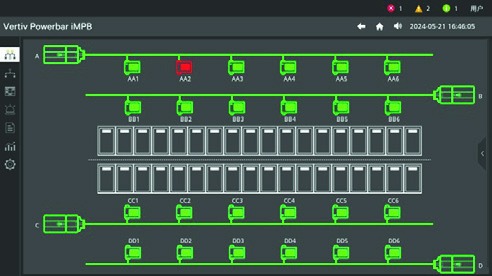
System for monitoring the placement, power and engineering connections of equipment. The usefulness depends on the up-to-date inventory and connected sensors.
Server PCIe platform for AI and engineering computing. The composition of the accelerators is selected according to the manufacturer’s validated configurations.
GPU platform for training, scientific calculations and data analysis. The specific accelerator module and topology are fixed in the specification.
No equipment found. Change your request or leave a request for selection.
Price, availability and delivery time are specified when agreeing on the order. We select a specific design for lines and platforms.